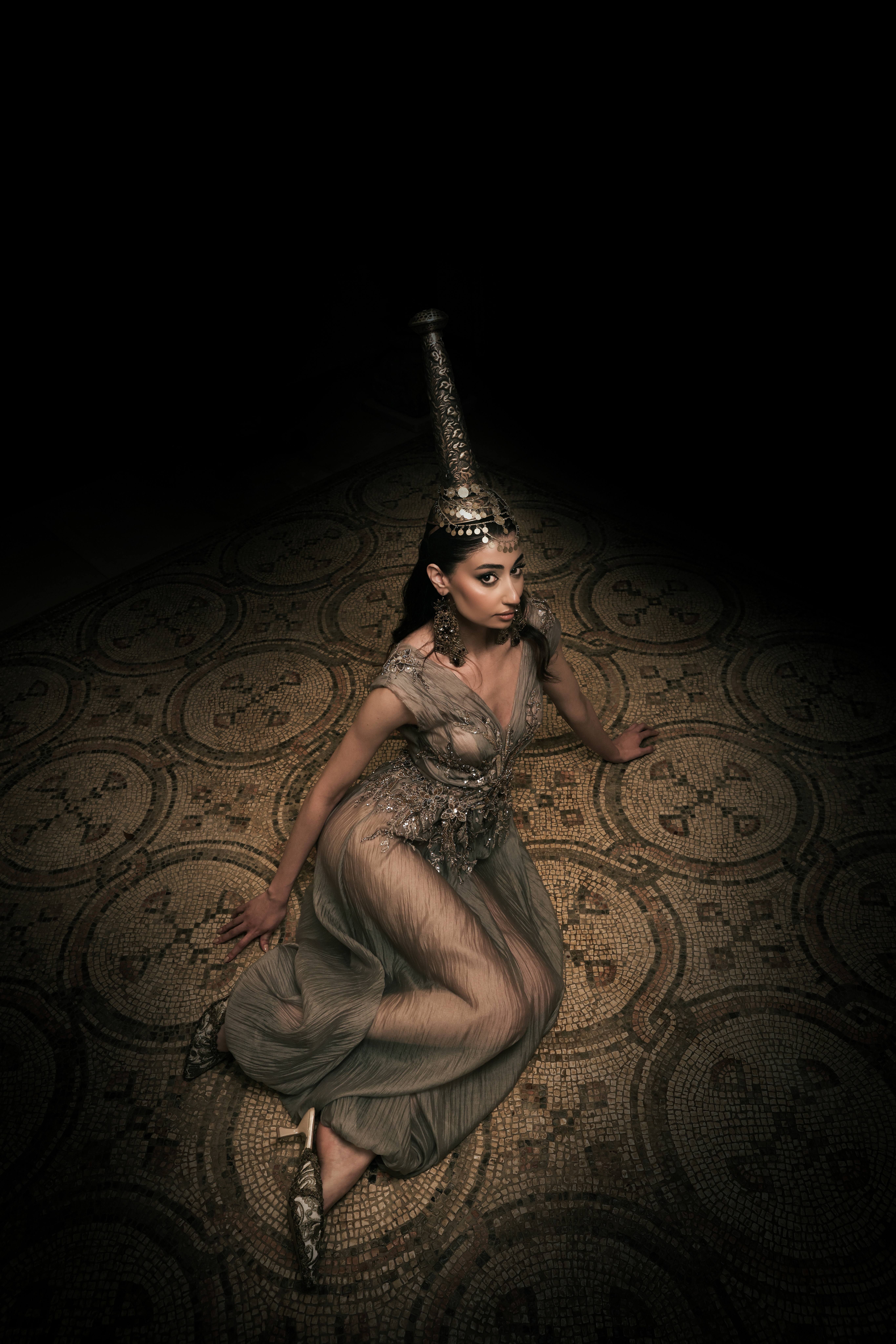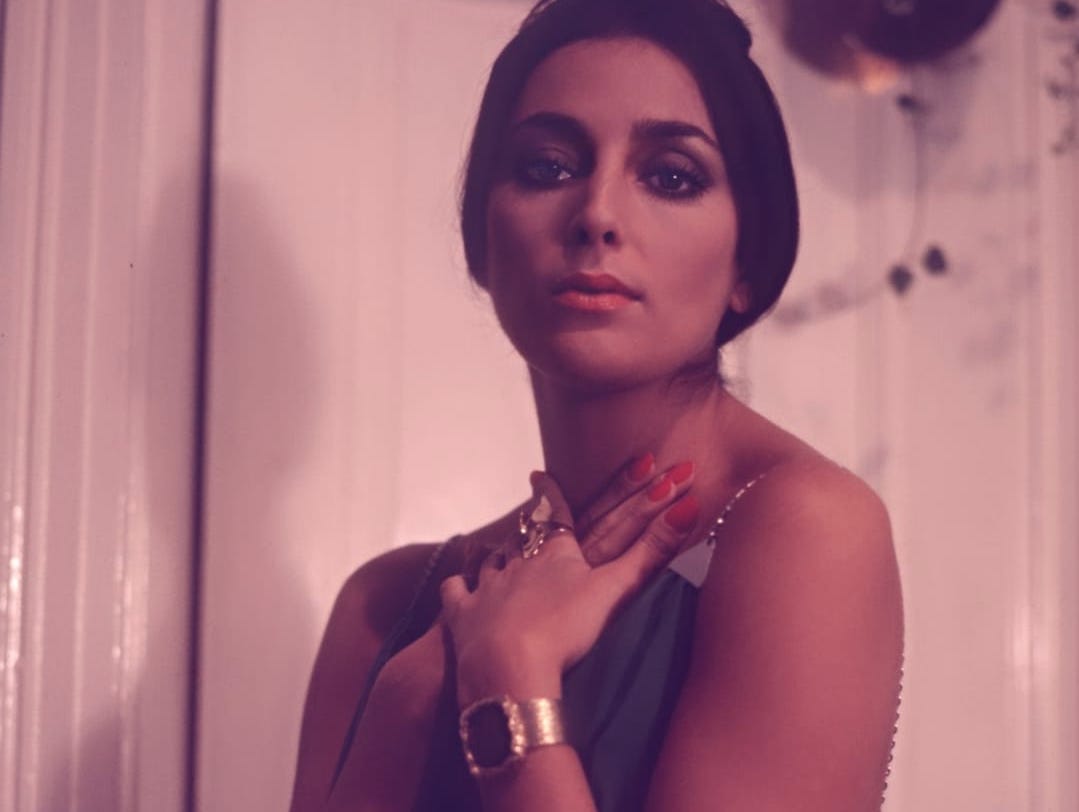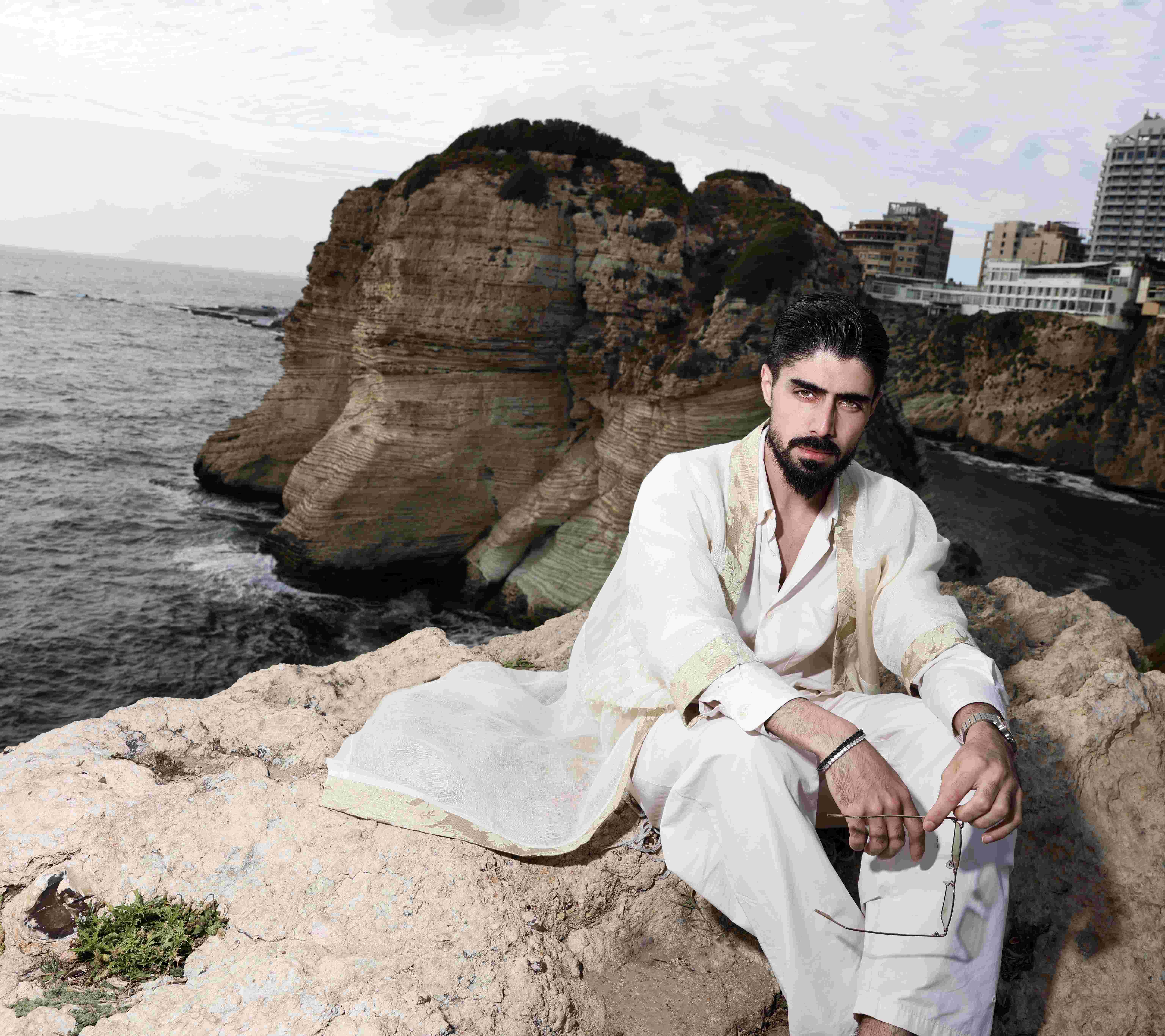
Few garments ignite as much pride and dispute as the kaftan. Recently, Morocco managed to register the Kaftan on the UNESCO Intangible Cultural Heritage list. Thus, potentially ruffling Algeria’s feathers who has also managed to include the kaftan as part of the same list under the designation “women’s ceremonial costume in the Eastern region of Algeria”. Rabat always had a strong case to back its claims, but the public tends to forget one simple truth. The kaftan transcends borders and geopolitics. Whether made out of silk or velvet, wool or brocade, lampas or satin, embroidered or beaded, worn at palace ceremonies or in humble homes, it did not emerge within a single nation, nor in a single time in history. In fact, the current version of this garment was adopted, refined and remodeled throughout the ages. Before calling Northern Africa home, kaftans were quite popular in Mesopotamia, Persia and the Ottoman empire.
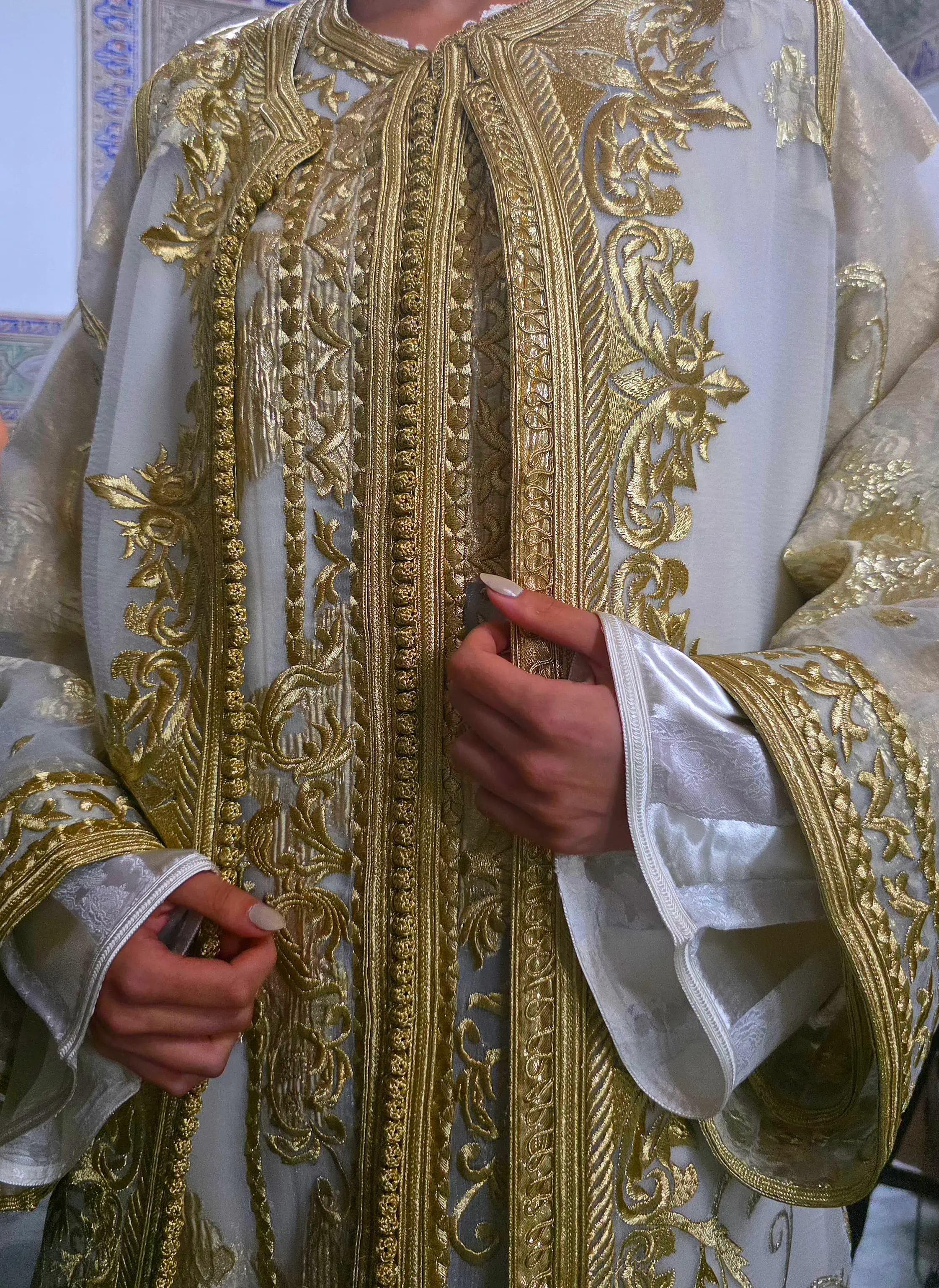
A Moroccan Kaftan is worn during moments of great celebrations like weddings and royal ceremonies. Passed down from a generation to another, it is instantly recognizable by its vertical lines, flared sleeves, traditional embroidery, geometric lines and arabesque motifs. However, what makes this robe truly stand apart are the “sfifa” and “aqad”. A special ornament, the “sfifa” is the narrow handwoven silk trim that runs along the front neckline to the hem passing by the sleeves. Meanwhile, the “aqad” are the hand-crafted silk knots that serve as buttons. Last but not least, a kaftan would not be complete without the “mdamma”, a wide metallic belt that cinches the waist and gives this piece its unmistakable silhouette.
.jpeg)
Nevertheless, that silhouette was being weaved on looms in Ancient Mesopotamia long before the “kaftan” was called as such. Rectangular pieces of linen and wool were wrapped and belted around the body, and traced a straight line from the shoulders to the ankles. The geometric and vegetable motifs were either woven directly or embroidered at a later stage. Every day kaftans were simple and undecorated. Meanwhile, the most elaborated designs were reserved to the social elite. The finest yarns were used, the most expensive dyes were picked, and elaborate trims were added to amplify the grandeur, splendor and magnificence of its wearer. This duality, the ability to represent humility and power in the same design, would last until this very day.
This notion was cemented in Ancient Iran where the Kaftan became a status symbol. Worn during religious festivals and diplomatic ceremonies, the Persian version were designed with more structured sleeves and intricate layers. The patterns and motifs were no longer decorative, instead they became symbolic and highly focused on animal imagery conveying majestic winged figures. Furthermore, they were often lined with fur and gold threads.
For centuries, the kaftan’s design barely evolved, that was until the Ottomans came into the fore. The silhouette got longer, the sleeves got wider, and the front openings got bigger. Under the House of Osman, the kaftans became the equivalent of modern-day rank insignias. Each rank had its designed color, its precise number of layers and its specific design threaded in silver and gold with a dominating imagery of tulips, carnations and medallions. It is during the Sublime Port four centuries rule over the Levant that the Kaftan found its way to Lebanon, and was adapted to the local taste.

From the mid-1800s till the early 1900s, a long and lowing outer garment, known as the “kubran”, was widely worn across Mount Lebanon’s villages and major coastal cities, like Tripoli and Bieut, by both men and women. Although different, both garments were aesthetically similar. Both provided ankle length, open front, and could be layered with other garments. Less sophisticated than its esteemed cousin, the “kubran” was more of a daily practical piece of clothing with minimal embellishment that did not carry any ceremonial weight.
As the Great War proved to be the downfall of the Ottoman Empire, the “kubran” became a relic of a bygone era and fell out of fashion. It was only revived with the birth of “Artisanat du Liban” in the 1950s. This institution marked a turning point in how traditional Lebanese garments were reimagined. Across the country, artisan houses emerged, each highlighting local weaving and embroidery techniques. For a time, “Artisanat Zgharta”, in Northern Lebanon, was the leader in crafting the modern Lebanese kaftan. Today, this piece forms an integral part of Lebanese fashion. It is worn as dresses at homes, or as a lightweight coat during evening outings. Even renowned designers like Elie Saab, Zuhair Murad, and Rabih Kayrouz regularly put on the runway kaftan-inspired silhouettes.
This ancestral savoir-faire was recently spotlighted internationally when the Oriental Fashion Show dedicated part of its December 2025 program in Baku to the Moroccan caftan, following a heritage-centered showcase in Taza honoring Moroccan designers Sahar Saleh, Amina Benzekri Benrahal, and Maha Bouzoubâ, all committed to preserving its traditional techniques.
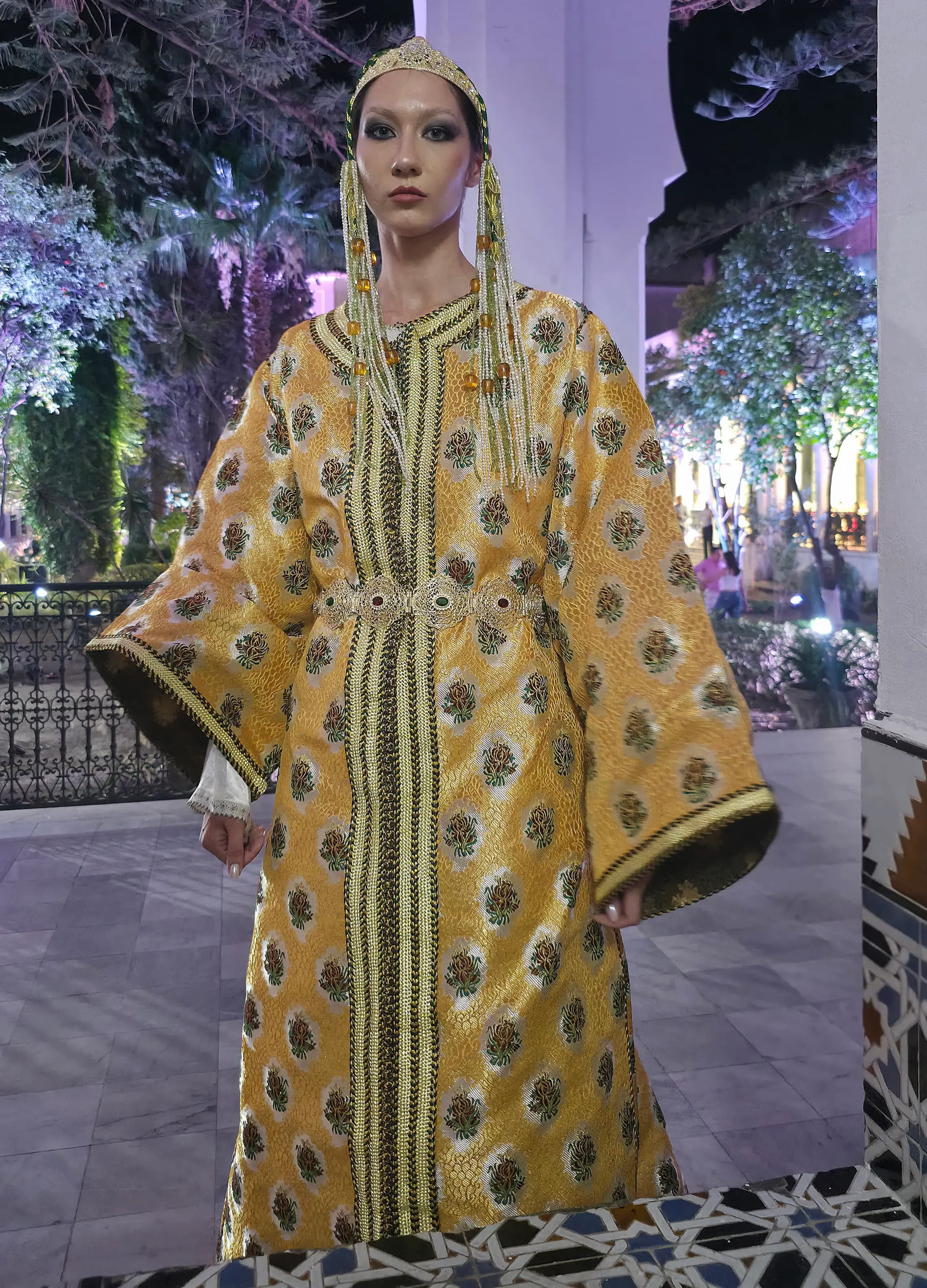
This shouldn’t come as a surprise because, historically, the civilizations of the Mediterranean basin developed extensive maritime trade routes, thus linking the Levant to North Africa. As knowledge and wealth were exchanged, major textile and fashion ecosystems were formed along its shores. As a result, garments were constantly absorbed and reinterpreted. Seen through this lens, Lebanon’s relationship with the kaftan is not an anomaly, but a continuation of a long-standing tradition of absorbing external influences and fashioning its rich heritage
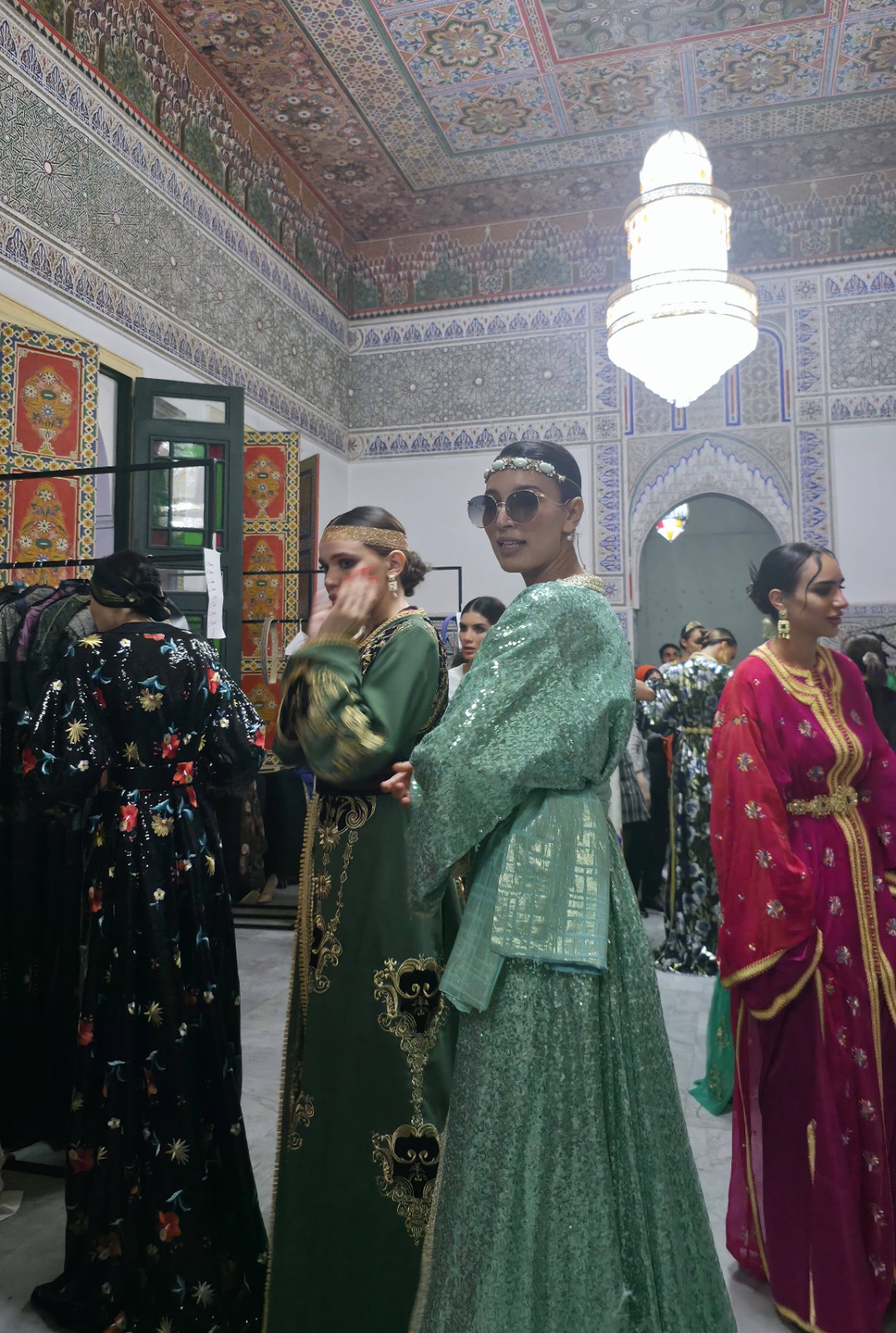
Morocco’s recent achievement is an international victory for craftsmanship. That being said, it is important to note that UNESCO’s recognition protects practice and techniques, not origins. The UNESCO is not claiming that the “kaftan was born in Morocco”, but is stating that “Morocco has a continuous tradition of kaftan making that deserves safeguarding”. This recognition was symbolically marked in Baku during a runway dedicated exclusively to the Moroccan caftan at the residence of the Ambassador of the Kingdom of Morocco, an event coordinated by the Oriental Fashion Show as part of its international cultural program.
If this piece of news teaches us anything, it is that fashion, once transformed into heritage, can become a marker of identity and a powerful political tool.