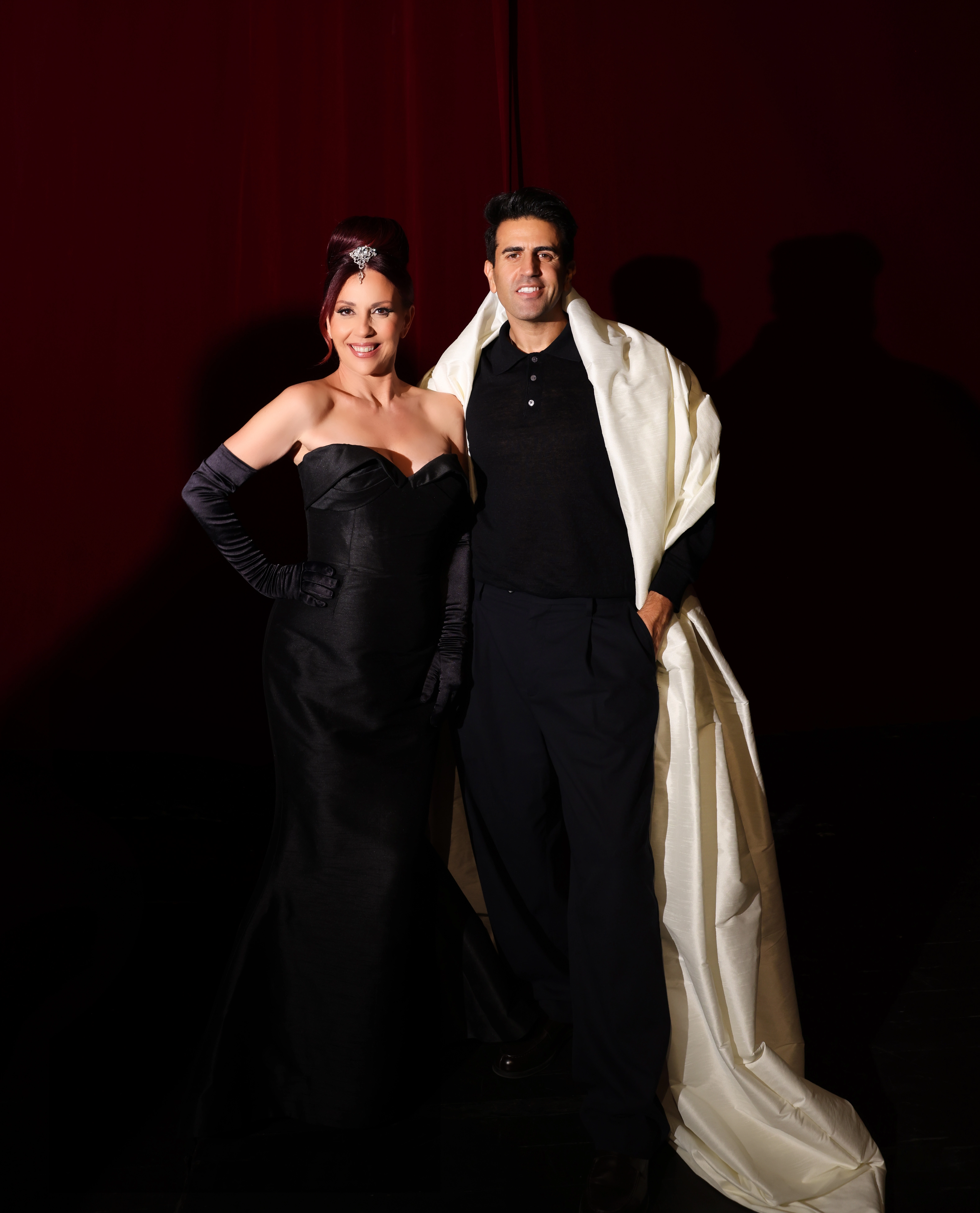
For years, my work has centred on researching, documenting, and reviving Lebanese fashion history, often in the face of fragile memory, missing archives, and the quiet erosion of heritage. This magazine is not a departure from that work. It is its natural continuation.
FOLKLOR exists to record what was lived, worn, danced, and embodied long before it was ever written down. It speaks from the heart of the Levant, grounded in Lebanon yet open to the world, embracing cultural narratives that share the same urgency: the preservation of memory.
For our first issue, I chose to begin with something profoundly personal and culturally essential: Oriental dance.
This is the spirit of FOLKLOR. To remember with purpose. To document with responsibility. To make memory visible once more. I grew up in awe of this art form. As a child, I watched Amani with fascination, drawn not only to her presence but to the intelligence, discipline, and dignity embedded in her movement. When my family moved from Sydney to Lebanon in the late 1980s until the early 1990s, I entered a world where beauty was woven into daily life. Dance was not entertainment alone. It was language, history, and identity.
Through this issue, we pay homage not in nostalgia, but in recognition. And we allow ourselves to hope that Oriental dance may yet reclaim its light, its respect, and its rightful place on the cultural stage.
When we later returned to Sydney, art became my refuge. My earliest oil paintings were harem dance scenes inspired by Amani’s tableaux. I could not have known then that I would one day write about her work, or that our paths would cross again in this way.I have previously paid homage to Amani and her legacy through various publications I have worked for, yet this moment carries a different weight. To have her grace the cover of my own publication, in its very first issue, feels deeply significant.
There is a quiet inevitability to this first issue. Before FOLKLOR formally existed, I had designed a gown for Amani for this shoot, unaware it would become part of the magazine’s opening chapter. As FOLKLOR took shape, it became clear that our inaugural issue would centre on Oriental dance, with Amani at its heart, wearing a gown created specifically for her. What felt accidental revealed itself as deeply intentional.Amani is more than a performer. She is the last diva of Oriental dance’s golden era, an artist whose presence and precision carried the form to its most refined contemporary expression. Her story marks both an ending and a reminder of what once was possible.
From its ancient roots in Mesopotamia and Egypt, Oriental dance travelled across the region, evolving into distinct expressions shaped by each culture it touched. In this issue, we explore both its broader Eastern history and its Lebanese story, where movement once bonded communities, marked celebrations, and carried memory across generations.Once revered as a refined and respected art form, Oriental dance today suffers from misunderstanding and stigma, particularly in the very lands where it was born. Its golden years have faded, along with the recognition of its pioneers and cultural depth.
I believe it is our responsibility to reclaim this dance as a shared heritage of the Eastern lands, to restore its dignity, honour its lineage, and reintroduce its artistry to new generations.
Joe Challita
Founder and Editor in Chief, FOLKLOR