


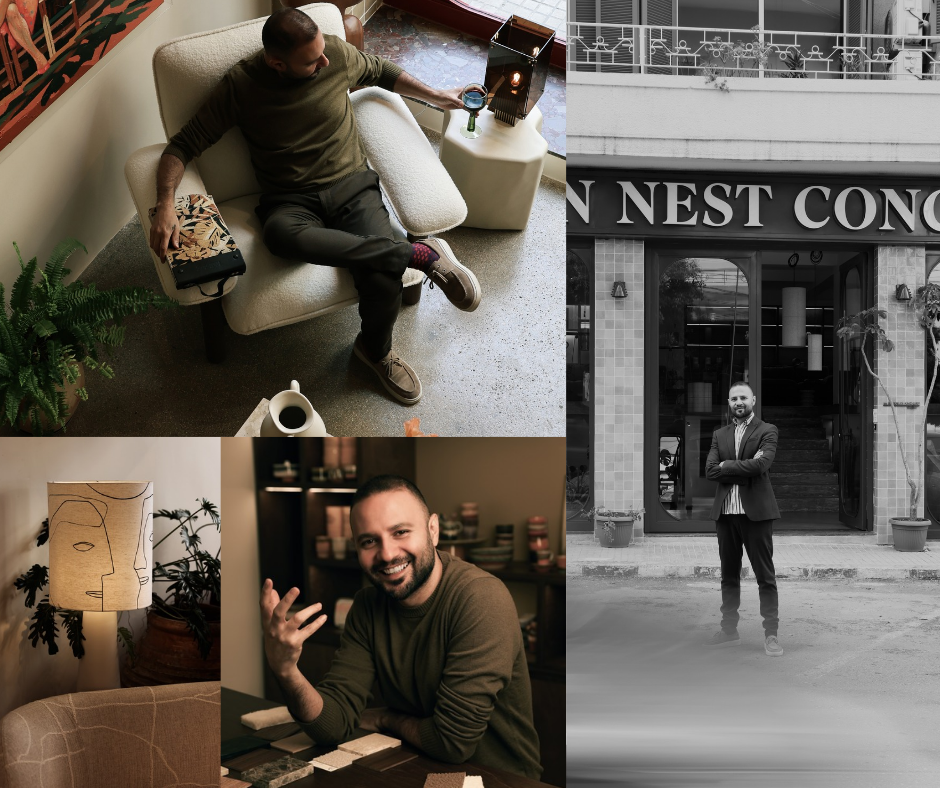
In Gemmayze, where Beirut’s creative energy has always found its rhythm, a new space opens with quiet confidence. Urban Nest Concept does not seek attention. It draws you in slowly, through atmosphere, through detail, through feeling.
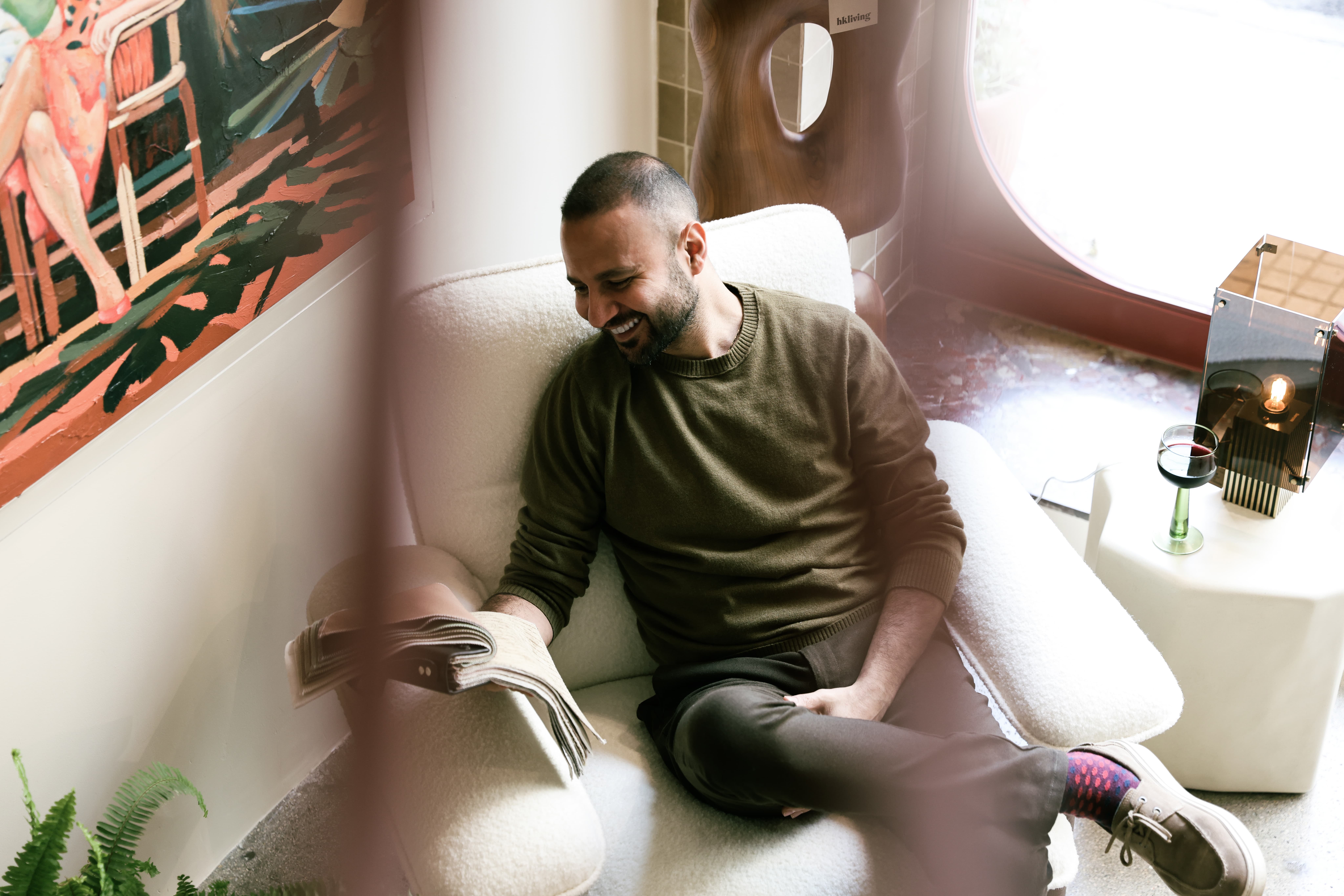
Founded by Lebanese interior designer and artist Mixalis Khoury in partnership with Dutch entrepreneur Janaika Elders, the space brings together two sensibilities shaped by different cities yet aligned in vision. Elders, behind Urban Nest Dubai, is known for her precise and cultivated approach to design, while Khoury works more instinctively, guided by memory, texture, and a distinctly Mediterranean softness.
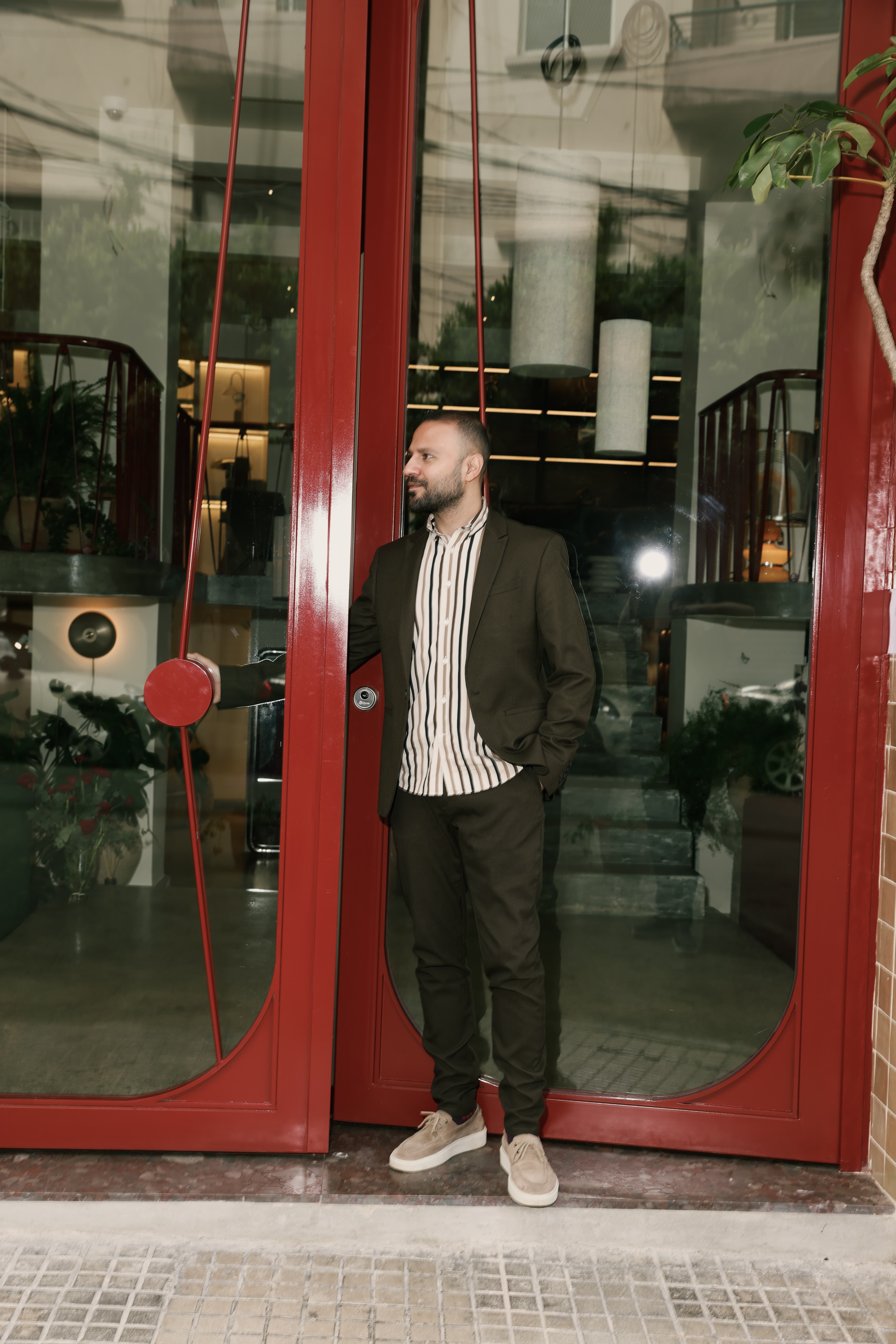
Their collaboration has grown over time, moving from professional exchange into something more personal. Beirut becomes the point where these perspectives meet. For Khoury, the project feels like a return, not only to place, but to something more internal. A way of reconnecting with what has always informed his work.
There is a certain restraint to the space. Nothing feels excessive, nothing imposed. Instead, it offers a sense of ease, of familiarity, of quiet beauty. In a city that rarely pauses, Urban Nest Concept creates a moment to slow down, to feel, and to remember that creation continues.
Our Editor in Chief, Joe Challita, met with Mixalis for a conversation on creating, believing, and building in Beirut today.
“I am not selling objects. I am selling a feeling.”
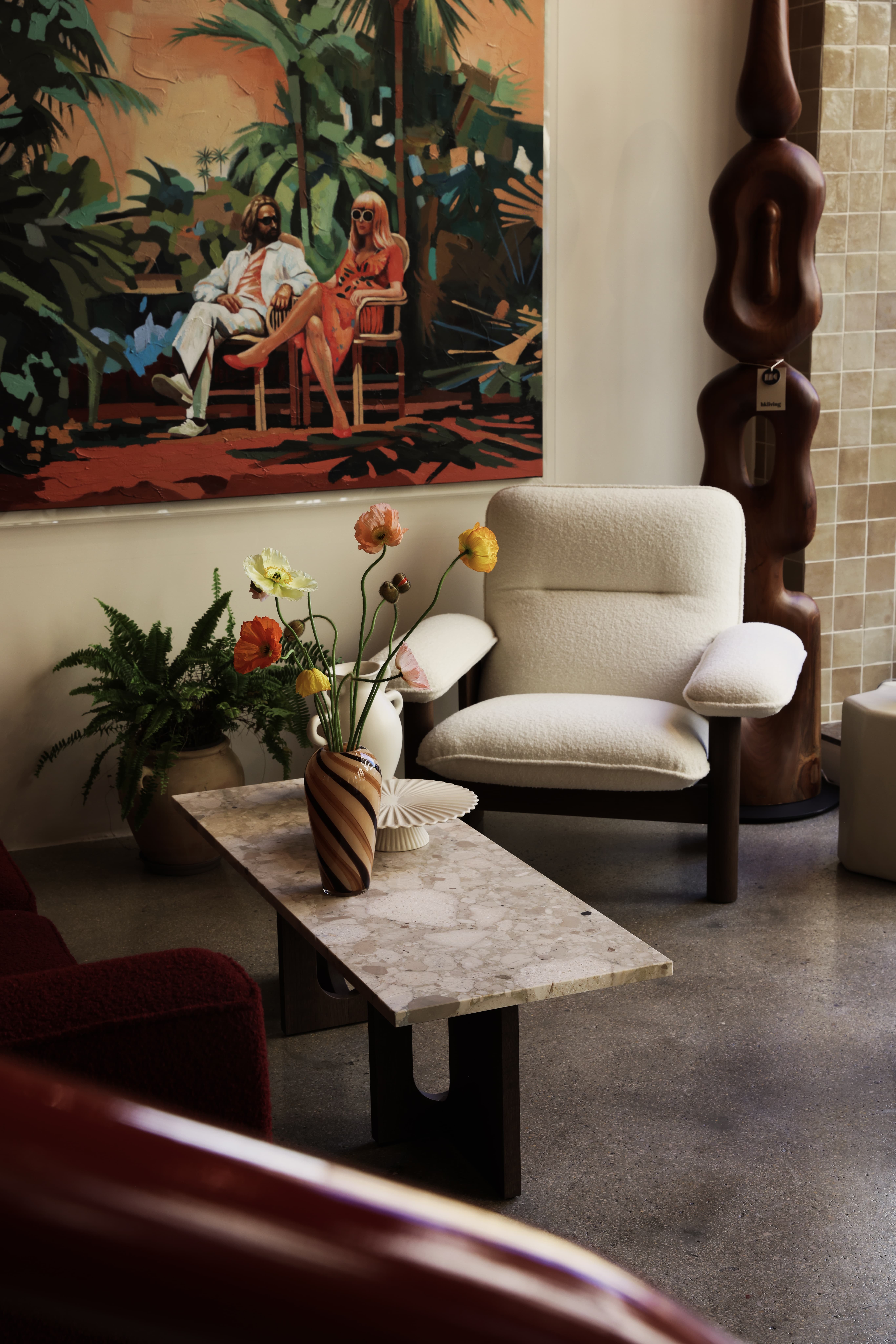
Beirut is often romanticized, but the reality today is far from poetic. Are you building a space of escape or confrontation?
I think it is neither, and somehow both at the same time. I am not trying to escape, because everything I am inspired by comes from it. But I am also not trying to confront it in an aggressive way. What I am creating is more like a pause, a moment of calm inside the chaos. A space where you can reconnect with what Beirut was, and maybe remember what it can still be.
“Opening a store in Beirut right now is not just a business decision, it is a statement.”

What are you choosing to believe in that others no longer do?
I am choosing to believe that Beirut is still worth investing in, not only financially, but emotionally. I think many people have stopped believing in the city as a place where things can grow again. But I still believe in its identity, in its culture, in its ability to inspire.
Opening this space is my way of saying there is still something here worth holding on to. Because if we all abandon our city and our heritage, who will carry it forward for the next generations?
“There is still something here worth holding on to.”
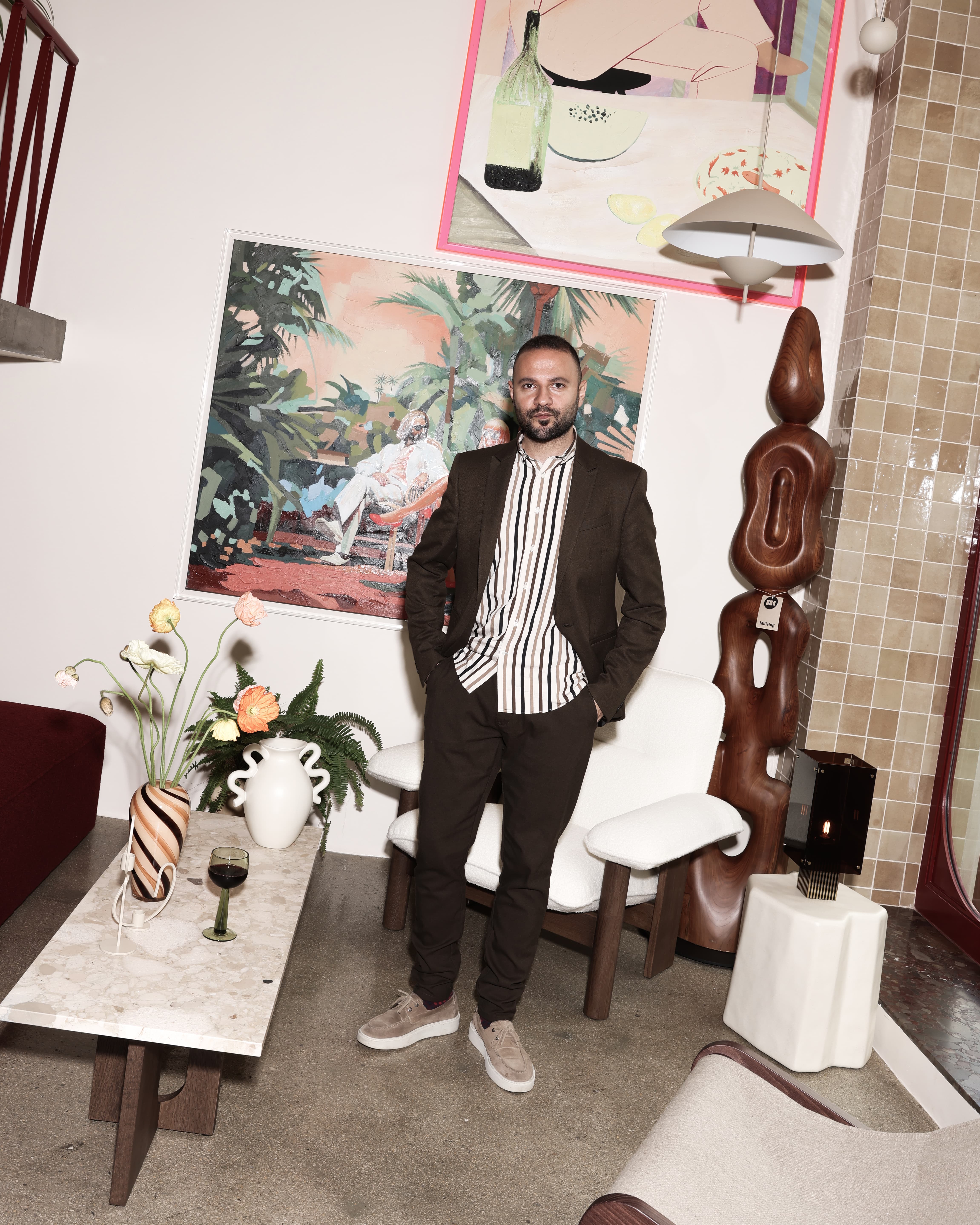
What exactly are you selling, and beyond the objects, what feeling or lifestyle are people actually buying into?
I am not really selling objects. I am selling a feeling. A feeling of warmth, familiarity, and belonging. That moment when something feels nostalgic, even if you do not know why. People are buying into a slower way of living, into details, into stories, into a lifestyle that feels more human, less rushed, more connected and timeless.
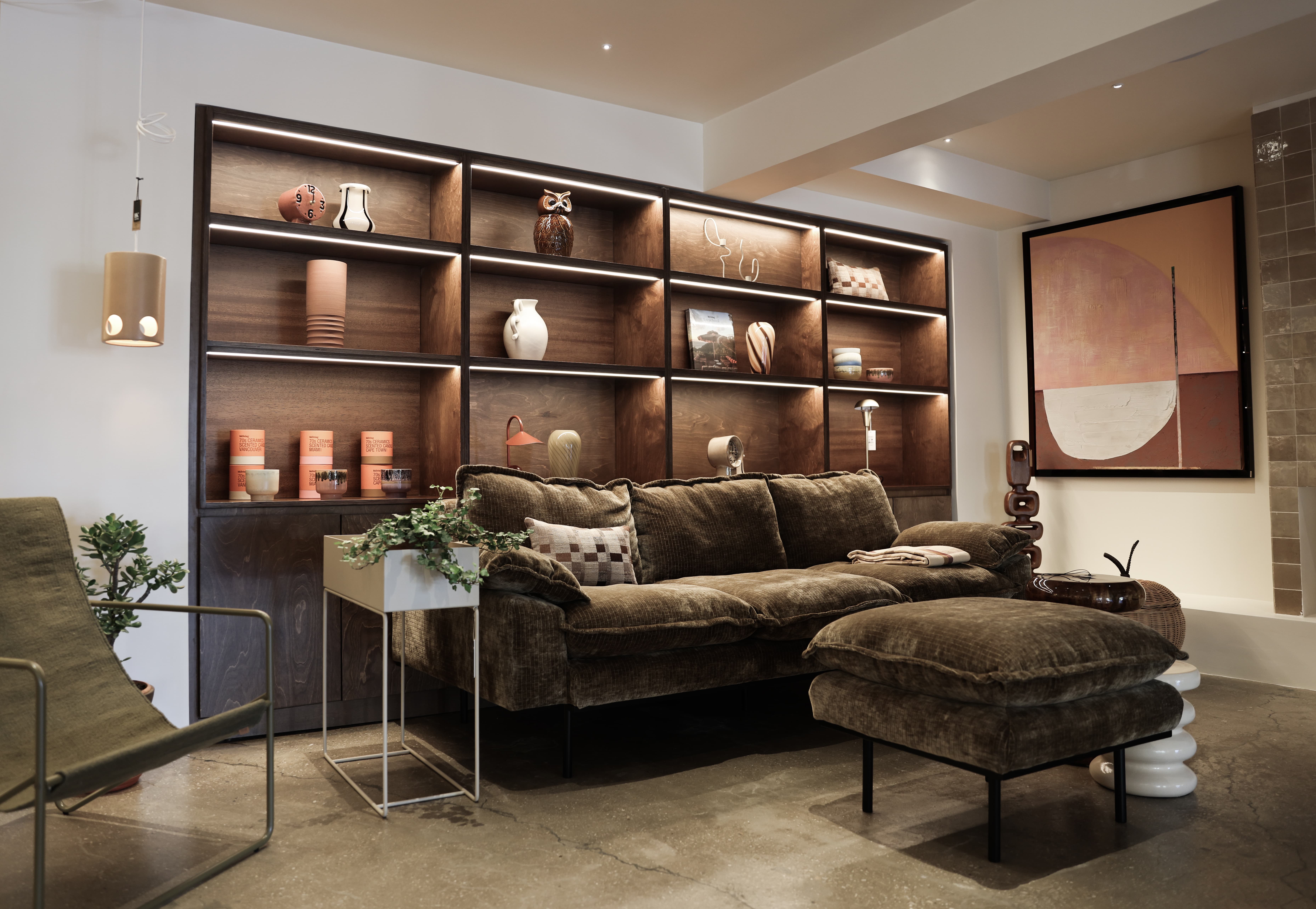
Concept stores are everywhere. What makes yours impossible to replicate, or is it intentionally personal rather than scalable?
Everything comes from my own memories, my own references, my own emotional connection to Beirut and the Mediterranean. You can copy the materials, the colors, even the furniture. But you cannot copy the story behind it. And without that, it is just a space. It is not a concept. There is a strong nostalgia in your work, a sense of the 60s and 70s, a softer Mediterranean past. Is that a form of resistance to today’s Beirut, or a way to rewrite it? It is more like remembering something we forgot, remembering who we once were. Those years had a certain simplicity, a certain softness. I am not trying to go backwards, but I am trying to bring that feeling into today. To show that even now, there is still space for beauty, calm, and meaning.
“Even now, there is still space for beauty, calm, and meaning.”
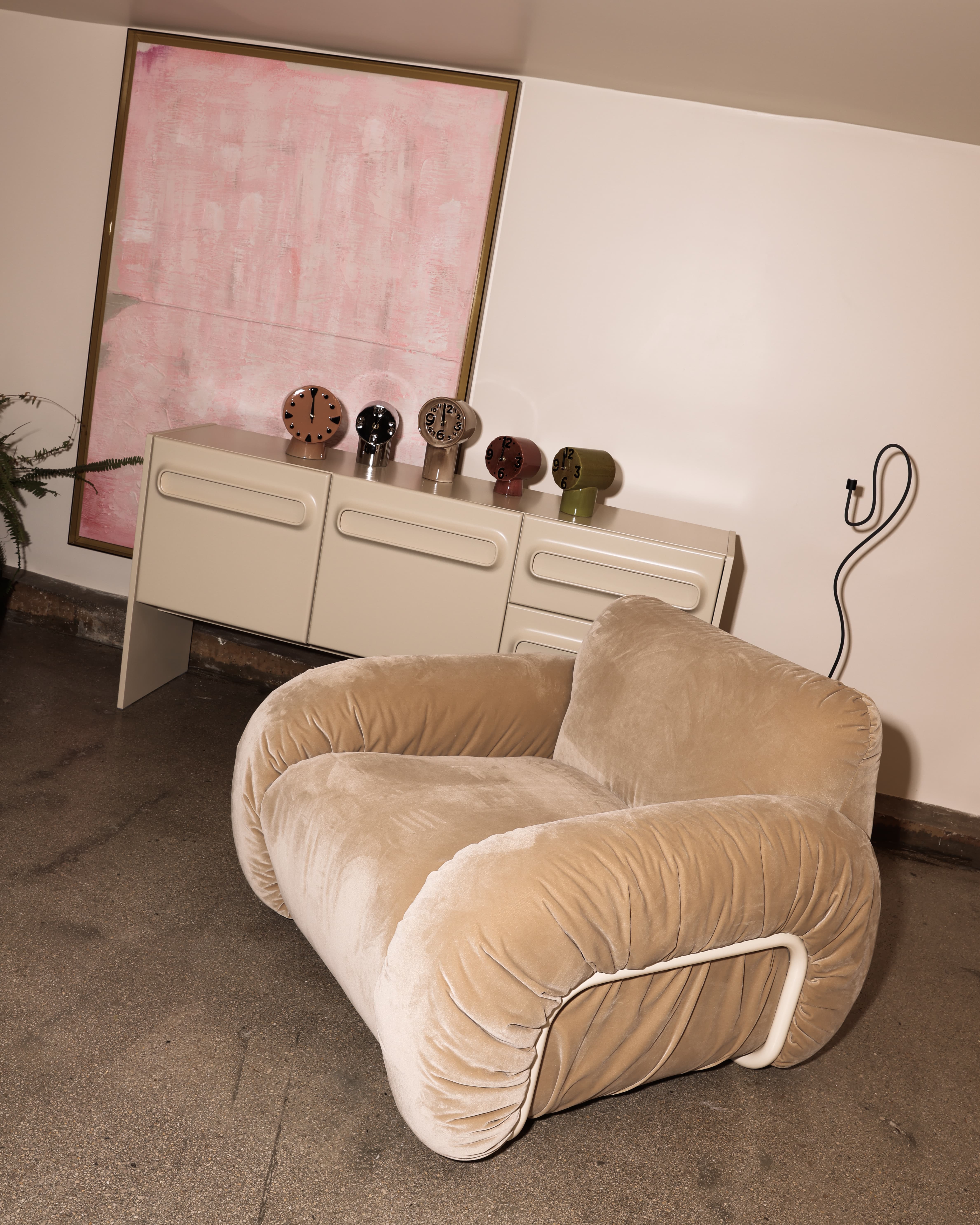
What defines your product offering, and what sets it apart from other concept stores in Beirut today?
My pieces are curated with care, passion, and love. When I select an item, I make sure I truly know the brand behind it. I take the time to understand who they are and to connect with the people behind the work. I need to feel aligned with them, comfortable and inspired, before I even begin looking into their pieces. I am drawn to things that feel human.
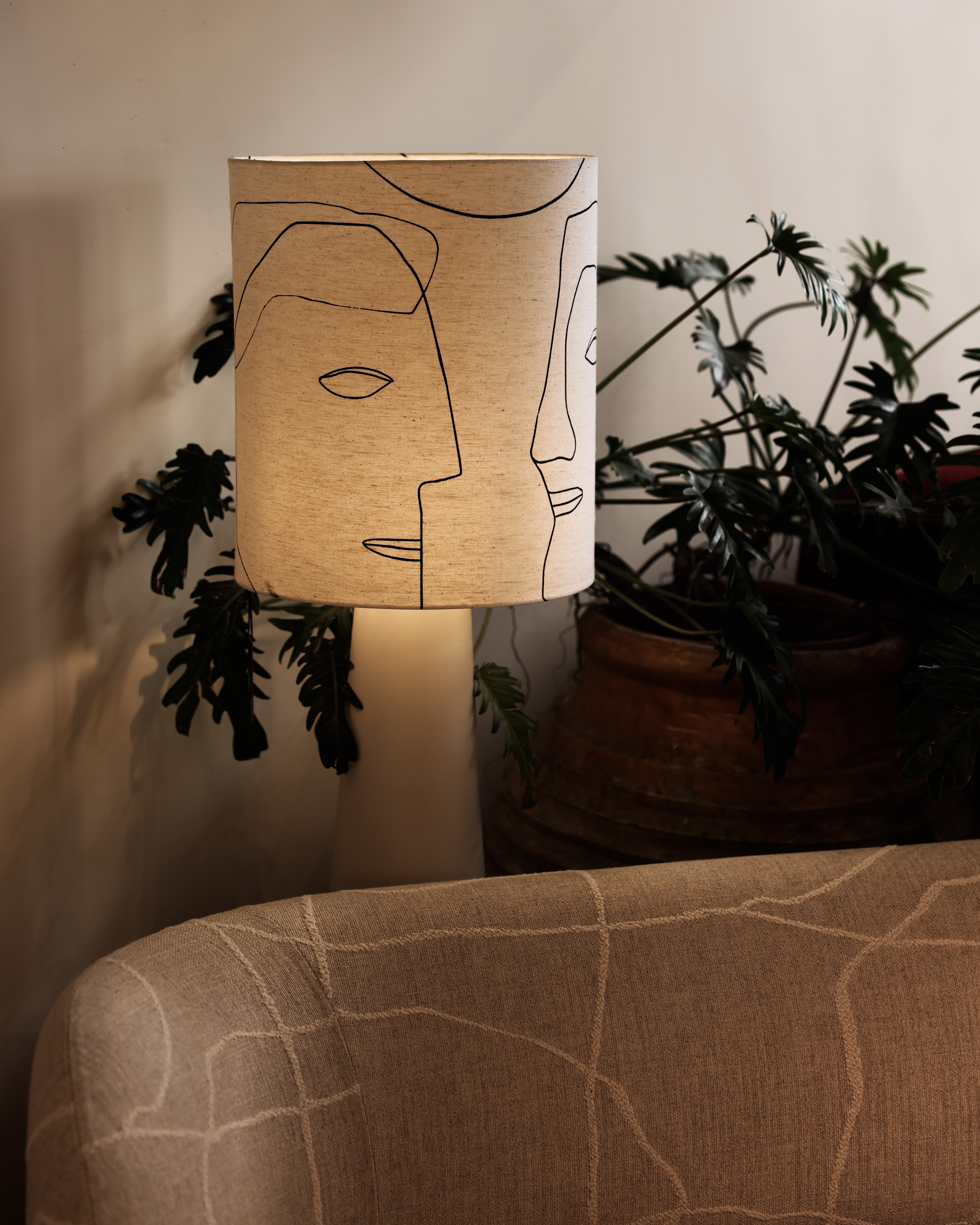
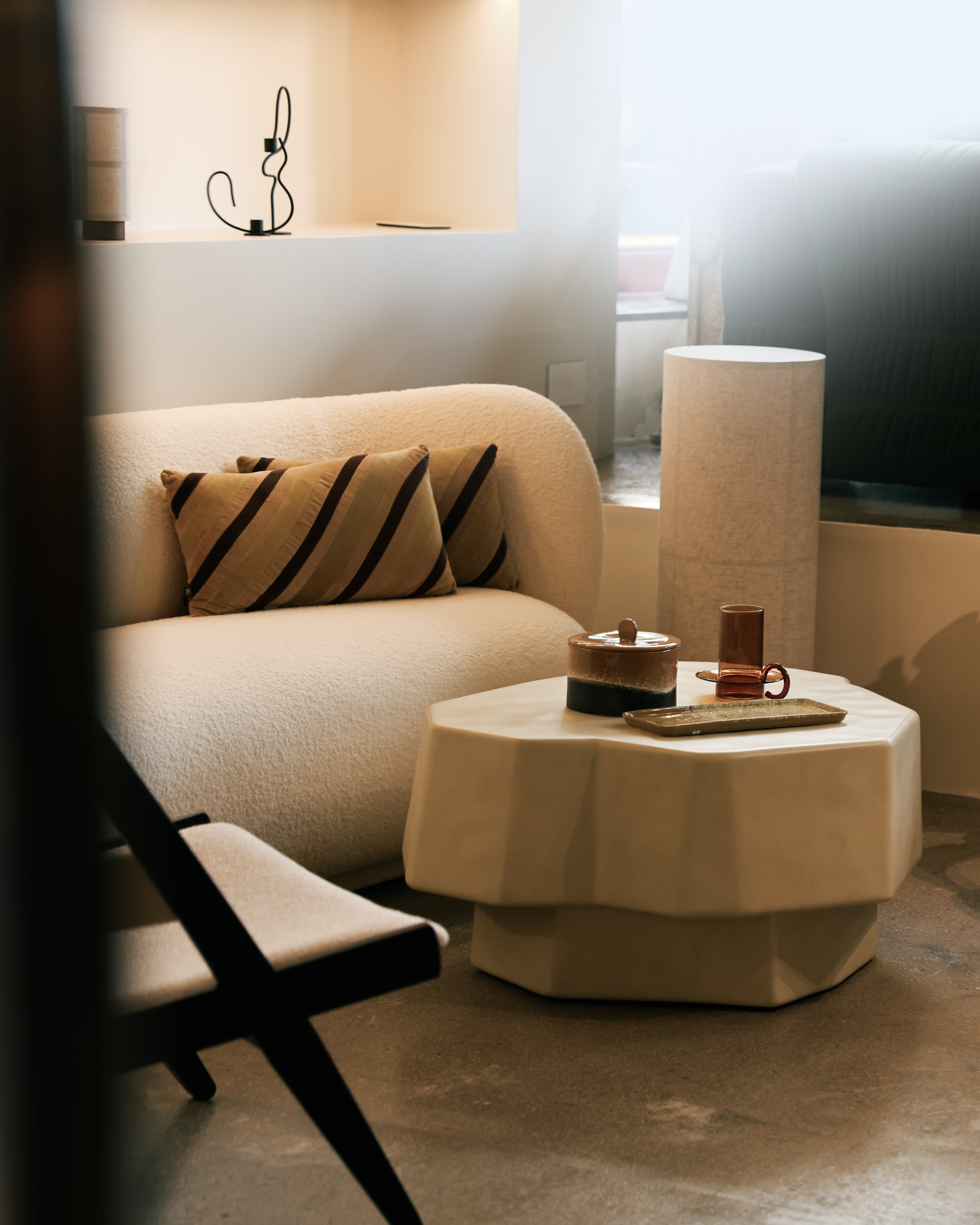
In a world that is constantly fast and overwhelming, the least we deserve is to come home to a space that feels calm, familiar, and comforting. That is why I choose pieces people will truly live with and enjoy. Objects that create emotion.
A sofa that feels like a hug, not just something that looks beautiful, but something that feels right, comfortable, practical, and made to be lived in.

.jpeg)