


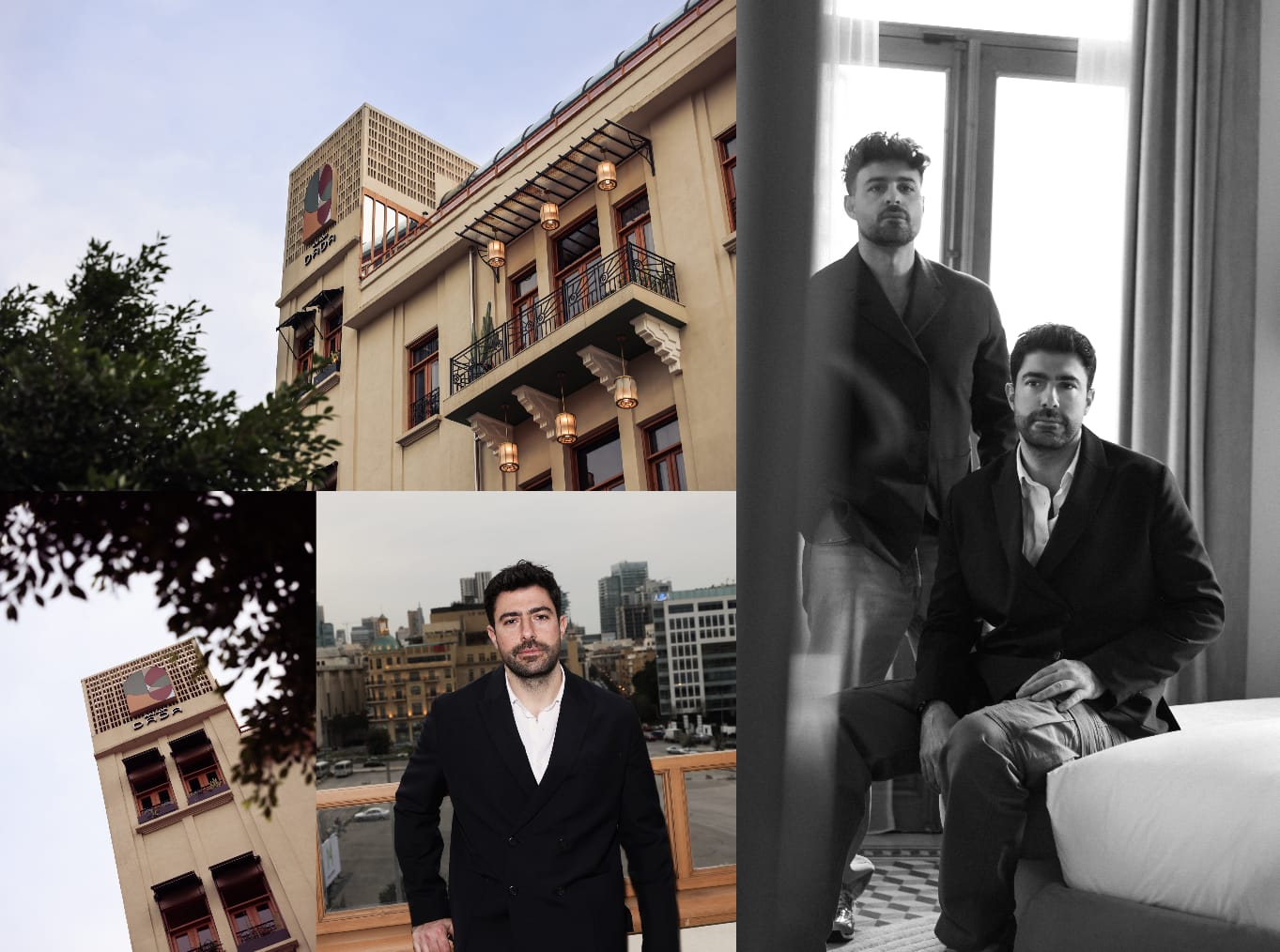
In Beirut, resilience is often spoken about so much that it risks losing meaning. But every now and then, someone proves it is not just a word. It is a choice.
At a time when Lebanon continues to face economic strain and regional uncertainty, opening Maison Dada is not the obvious move. If anything, it is the opposite. And yet, for Marc El Dada and Mario El Dada, this project was never about waiting for the right moment.
“Opening Maison Dada today is not a business decision only, it is a statement,” says Marc.
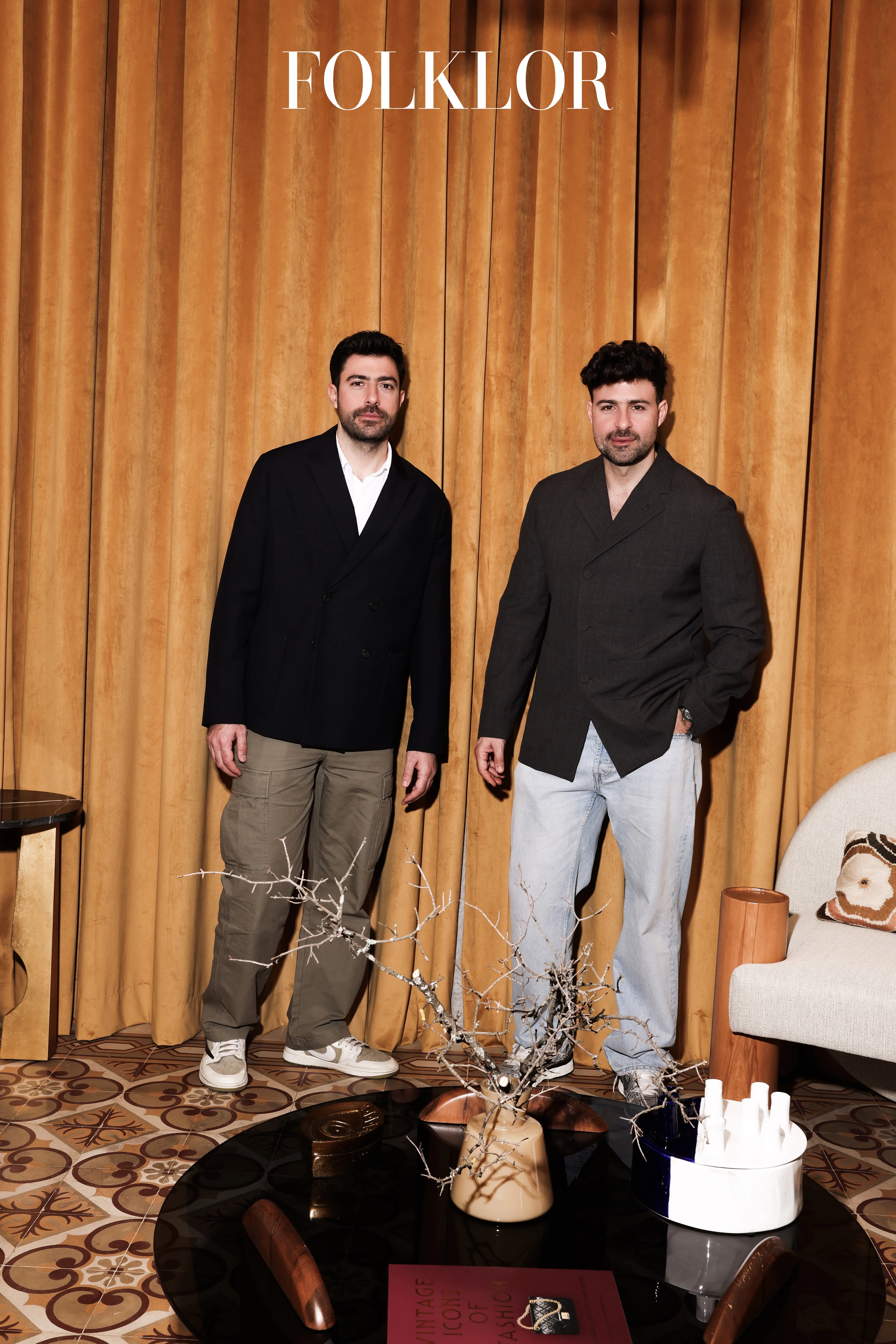
"Beirut has always been a city that refuses to stop living, creating and rebuilding... we still believe this city, in it's culture, in it's people and future"
Set in a 1935 French Mandate building in Saifi, overlooking Martyrs’ Square and stretching toward the Mediterranean, the hotel carries the weight of history quietly. You feel it in the details. The patterned tiles, the proportions, the rhythm of the space. Nothing feels forced or overly polished.
“The building dates back to the French Mandate period, and from the beginning we wanted restoration, not renovation,” explains Mario. “The goal was never to make it look new, but to make it feel alive again.”
.webp)
That decision defines everything. Maison Dada does not try to impress in the conventional sense. It draws you in slowly. It feels personal. Almost like stepping into someone’s home rather than checking into a hotel. The brothers describe it as a house of stories, and that comes through immediately. Every object feels chosen, not placed. Books, materials, artworks, even the way light moves through the rooms. There is a sense that the space has been lived in, imagined, and layered over time.
“Maison Dada is not a traditional hotel, and it was never meant to be one,” notes Marc.
"It is more like a house of art and stories"
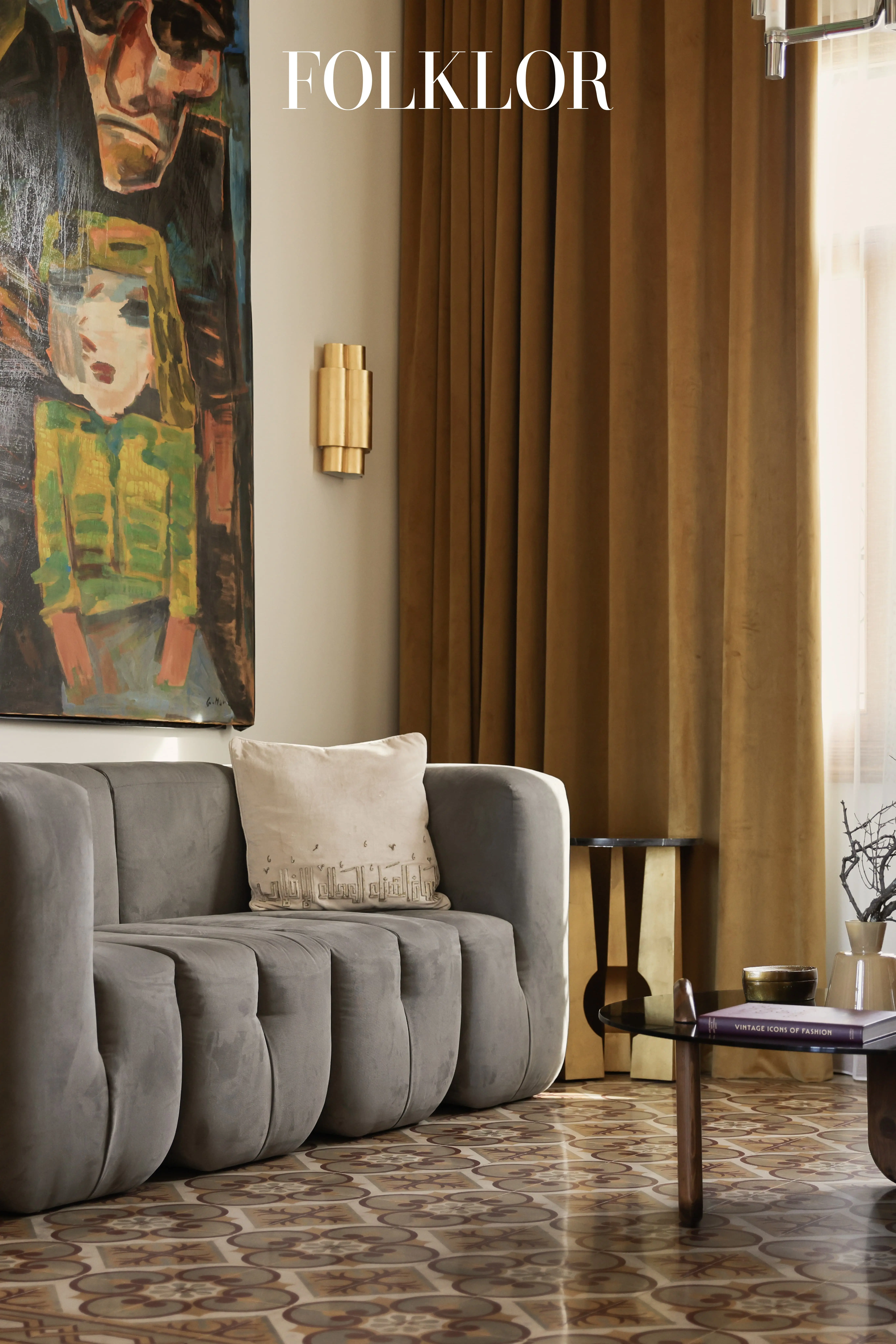
That idea extends into the way the project supports local creatives. Many of the pieces are designed by the Dada brothers and produced in Lebanon, while others come from collaborations with designers like Fadi Yachoui and Ahmad Bazazo, alongside artist Noor Abuissa. It feels less like a singular vision and more like a shared one, rooted in community.
Art, here, is not something you simply look at. It shapes the experience.
“For us, art is not decoration, it is part of the architecture,” says Mario. “Architecture creates the frame, and art creates the emotion.”
You notice it in the way spaces unfold. Corridors are not just transitional. The elevator, the apartments, even the quiet corners carry something to discover. The hotel moves like a narrative, not a layout.
And maybe that is what makes this project feel important right now. Not just because it is beautiful, but because it exists at all. Because someone chose to build, to restore, to invest when it would have been easier not to.
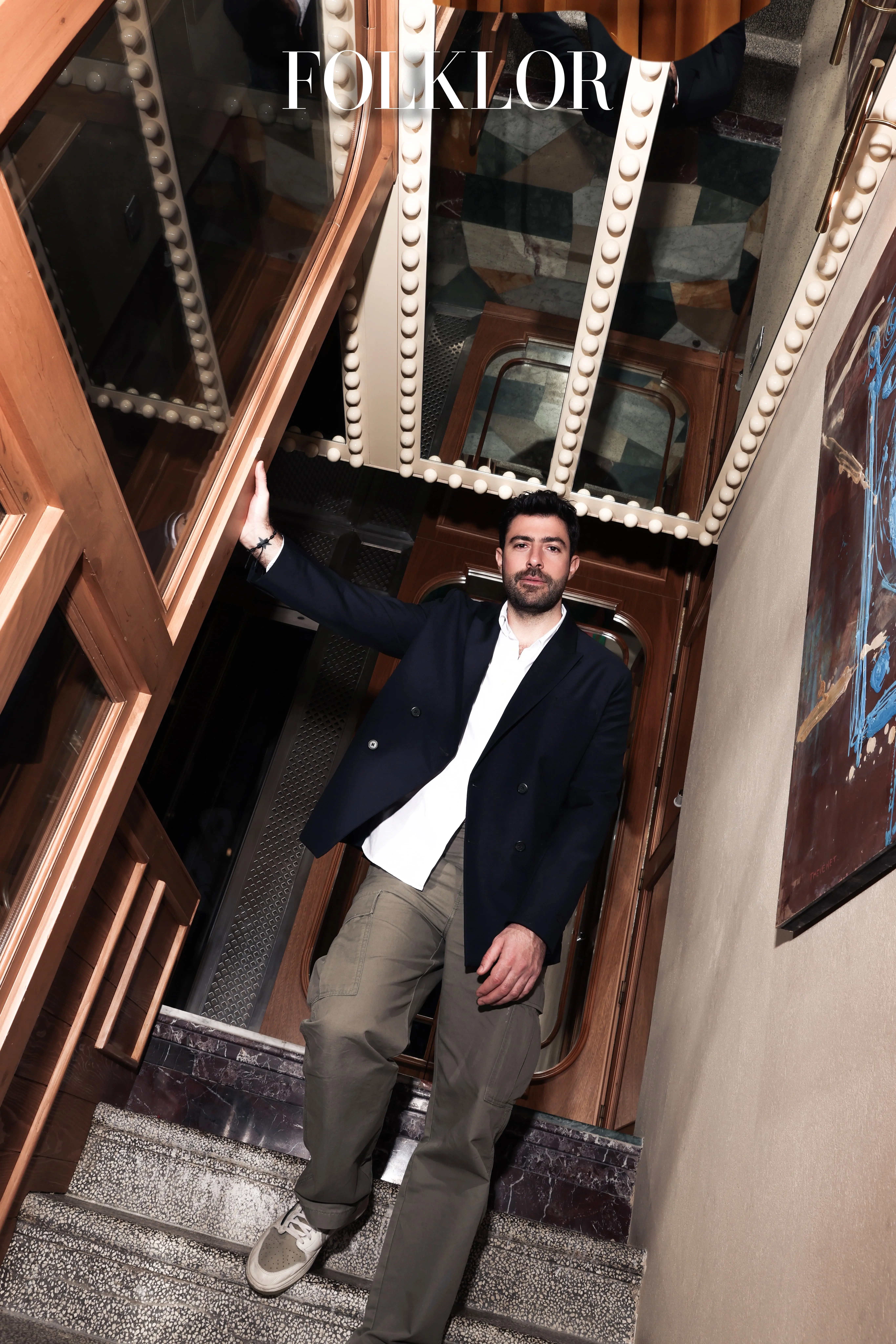
"Beirut has always been a capital culture in the region"
Marc reflects, “Maison Dada is a small contribution to that cultural movement… we hope it becomes a place where artists, designers, travelers, and creatives meet and exchange ideas.”
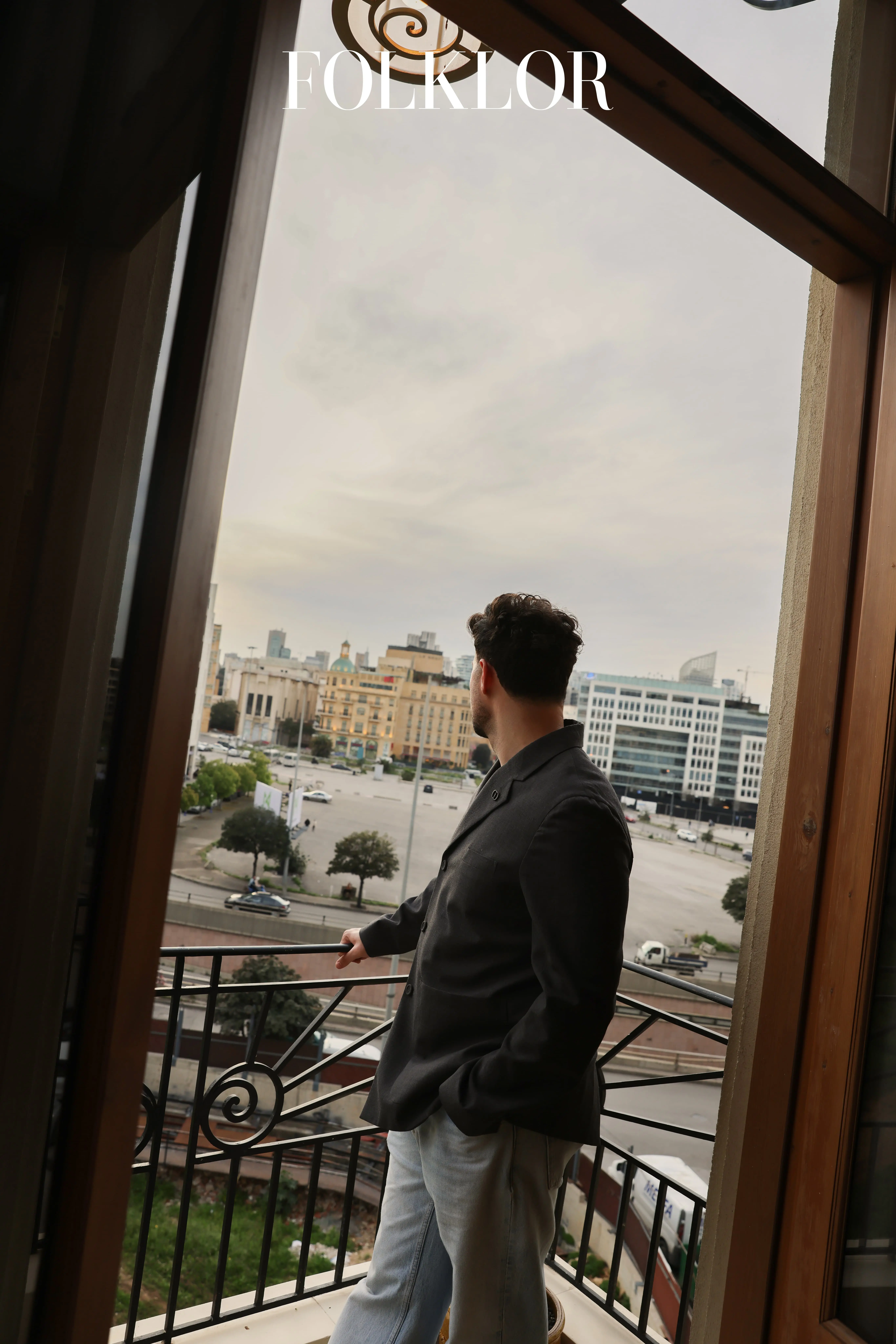
Maison Dada does not pretend to fix anything. It does something quieter, and perhaps more powerful. It insists on possibility.
In Beirut, that in itself is an act of belief.

.webp)
