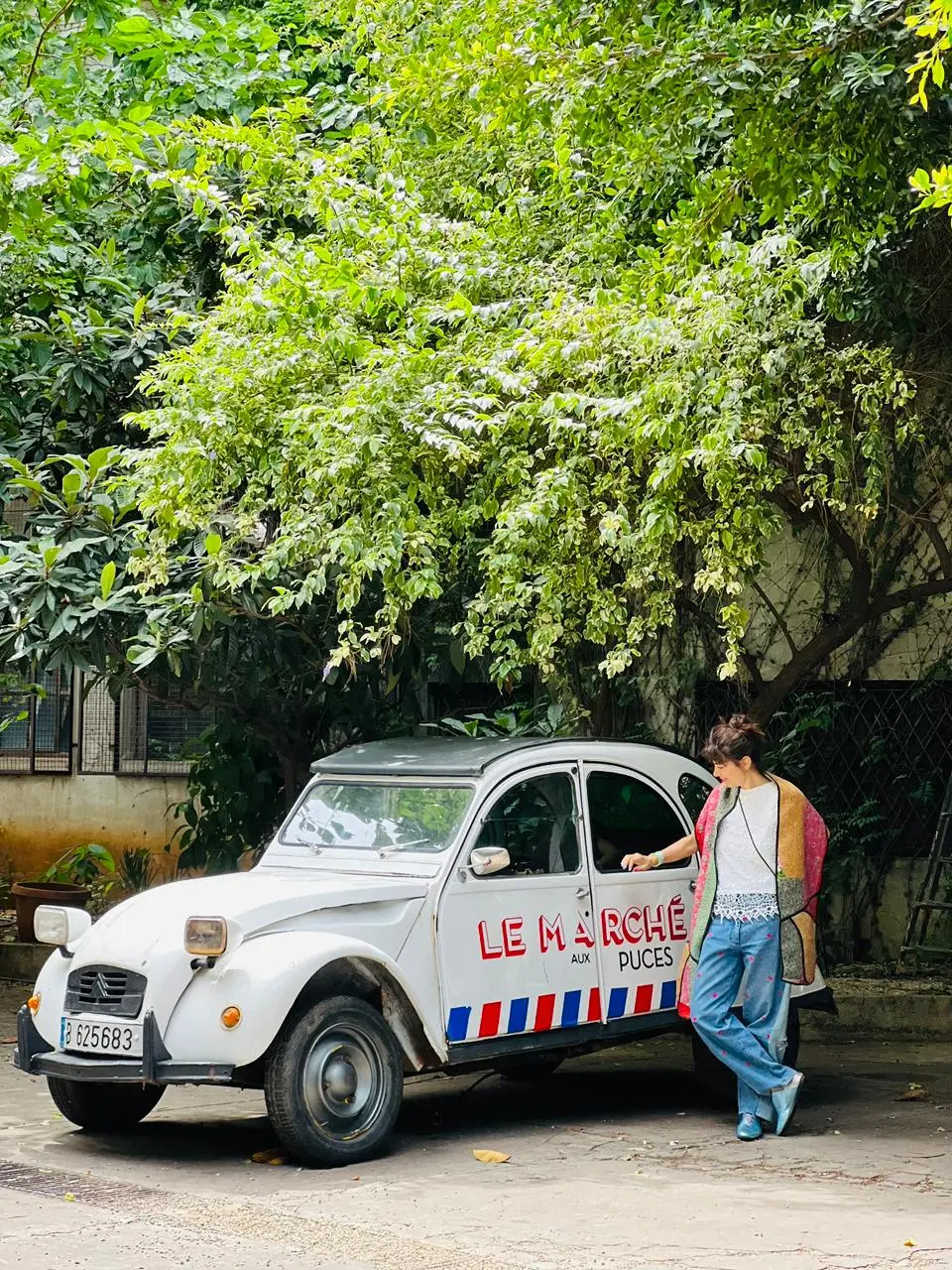
The Lebanese vintage scene has transformed dramatically over the past decade. Once considered niche and overlooked, vintage fashion is at the heart of Beirut’s style conversation today. It is not only celebrated for its aesthetics, but also for its depth and cultural resonance. But how did this shift happen? To answer the question and explore the dynamics of this growing industry, we spoke to three trailblazing ladies shaping the scene, Daniele Kiridjian, founder of “Le Marché aux puces”, Lebanon’s most successful flea market, Romy Nassar, founder of “Romyni”, a carefully curated vintage shop, and Vera Hassan, founder of “By V.”, the go-to place for exquisite vintage jewelry.
The evolution of the Lebanese scene has been remarkable, Daniele observes. “Vintage carries memory, responsibility, and creativity simultaneously. It honors the past while shaping a thoughtful future. Vintage is the future in Lebanon. It is no longer a fashion trend. It is a way of living. Thrifting, recycling, refurbishing, these are actions that promote environmental sustainability, social connections, soulful consumption, and cultural tourism. Yet, misconceptions remain.” Daniele adds, “many still believe that vintage items are dirty and that made-in-China replicas are “vintage” just because they look old. They are not. With “le marché aux puces”, it took us more than eight years and over twenty editions to truly make a difference in perception and reception.”
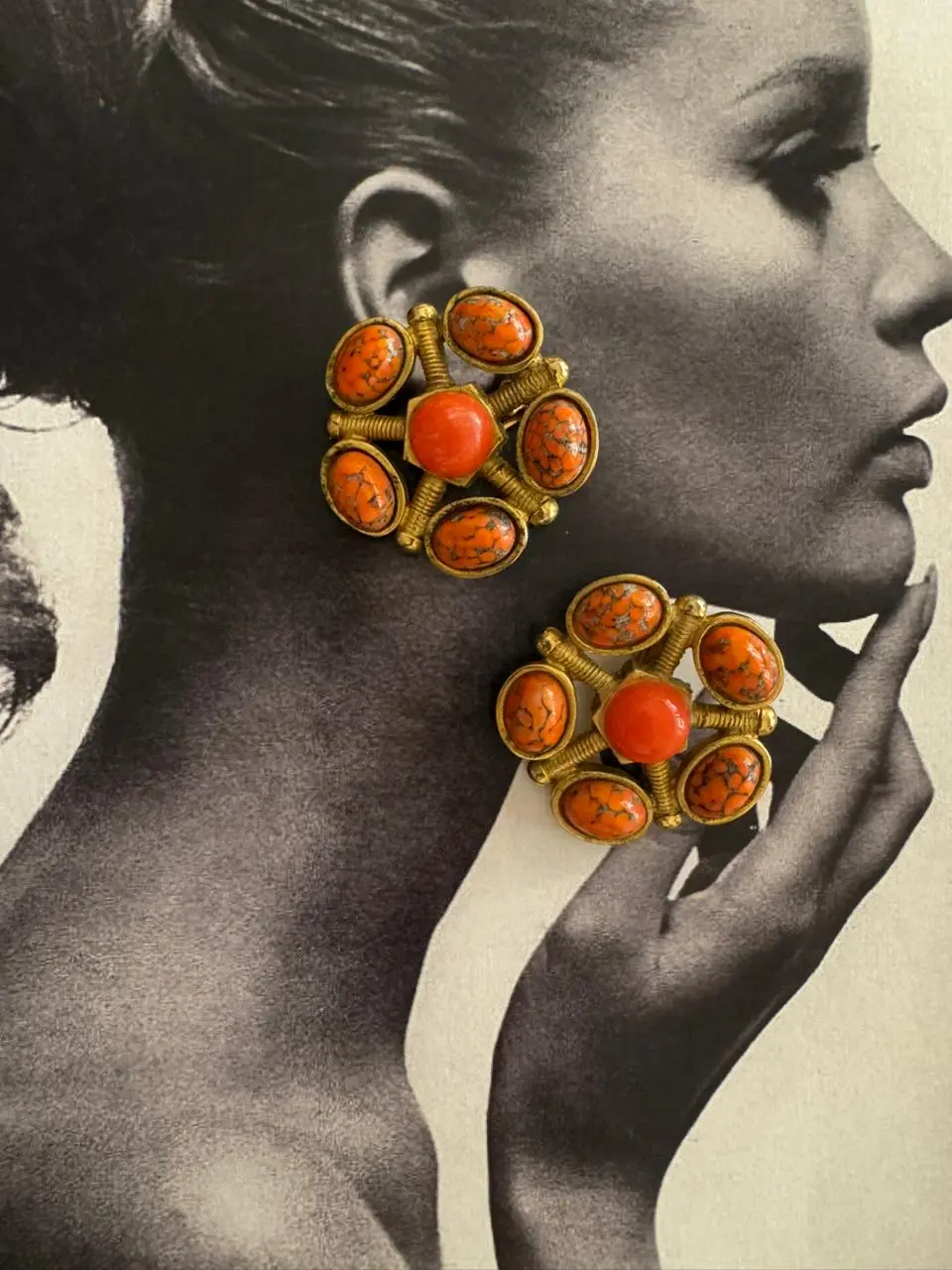
It is safe to say that despite all the efforts, knowledge is still lacking, and the role of vintage dealers has become educational as much as preservational. Vera notes, “understanding history and design shifts the focus from brand recognition to true value. Today, many buyers are influenced primarily by major luxury houses, often overlooking the extraordinary heritage of earlier decades and the costume-jewelry designers who shaped collecting culture. Guiding audiences beyond familiar logos toward rarity, craftsmanship, historical periods, and nuanced design languages remains essential.”
.webp)
To which Romy adds, “clients are drawn to both fashion and sentiment. Some want something unique, something that no one else will be wearing. But at the same time, vintage jewelry naturally carries heirloom energy. Even if it wasn’t passed down in your own family, it still holds a story. Signed designer pieces offer long-term value and collectability, but unsigned pieces can be just as powerful because they are chosen purely for beauty and craftsmanship, not the label. Always invest in what moves you first.”
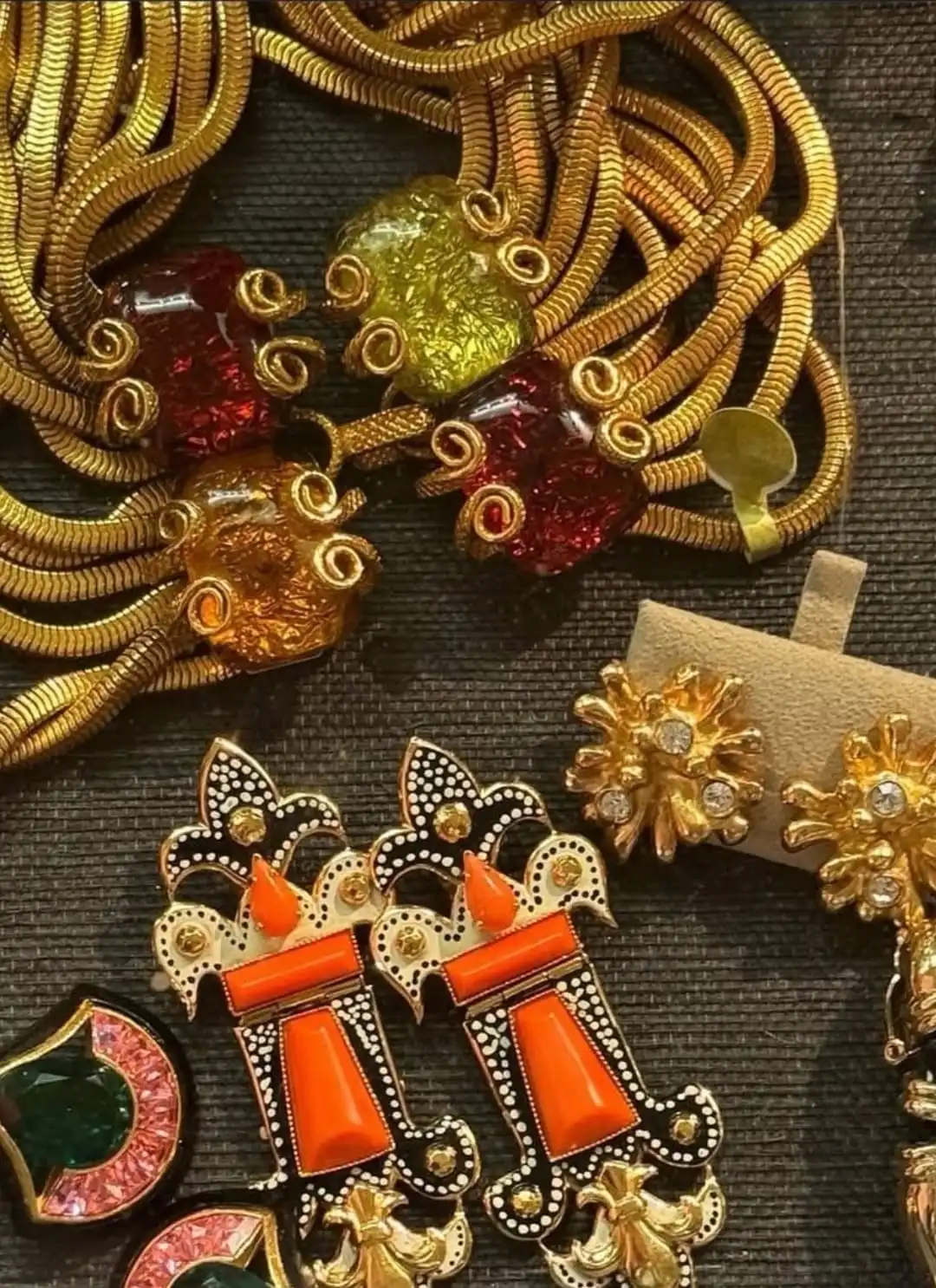
Vera echoes this sentiment when discussing how to choose vintage pieces and adds: “details such as original stones, intact settings, natural patina, and minimal alteration all contribute to both beauty and long-term value. Equally important is the story behind the piece, when it was created, how it was worn, and what cultural moment it represents.”
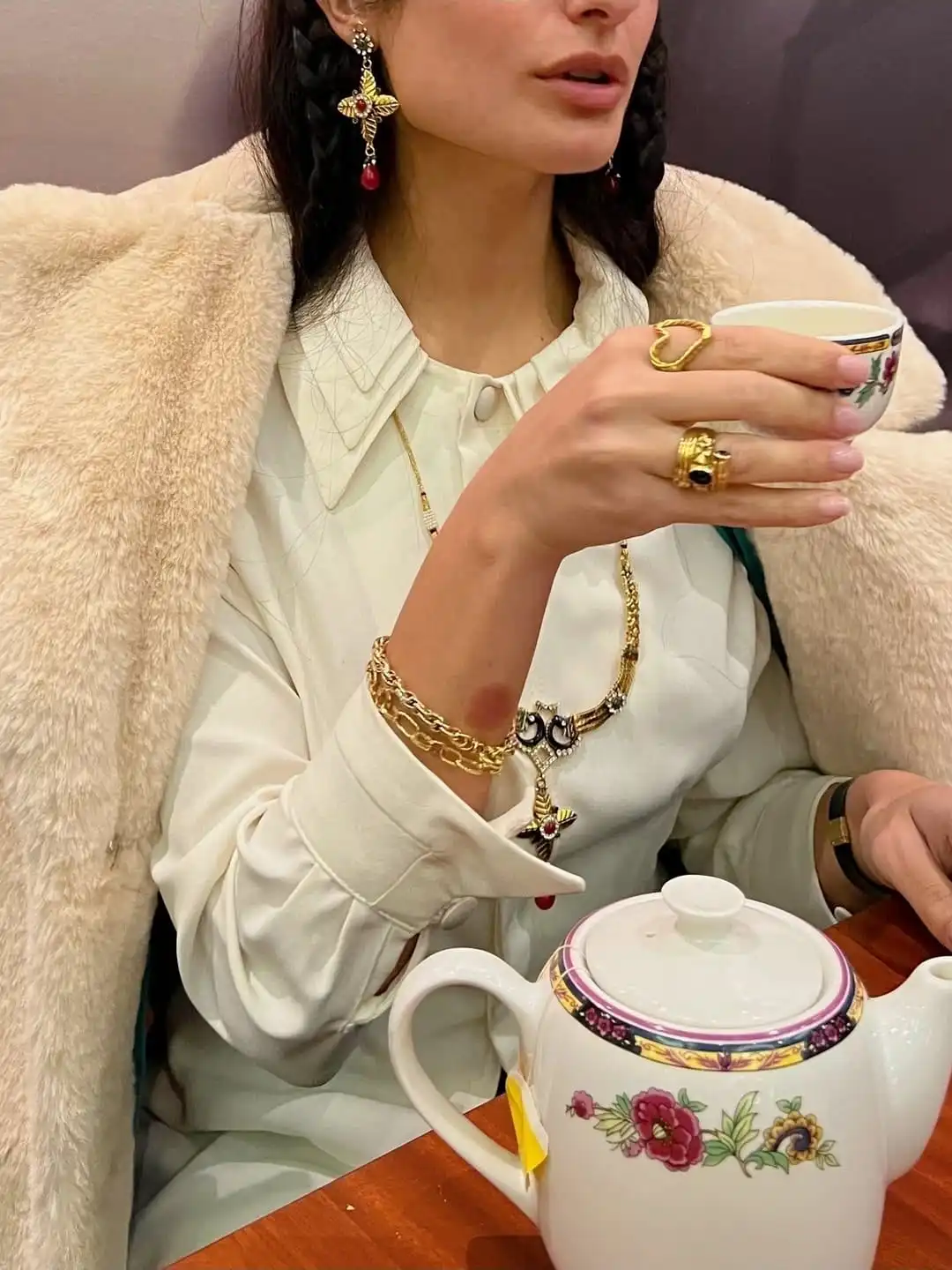
The renewed appreciation for these details is especially visible among Gen-Z, who has made vintage a part of its identity. For this generation, wearing vintage is less about recreating the past and more about curating a personal narrative. Raised in the age of ultra-fast fashion fueled by algorithms, Gen-Z approaches vintage as an antidote. It is a conscious choice that signals individuality, sustainability, and cultural awareness. The young shoppers are less concerned with rigid fashion rules and more interested in mixing decades, layering references, and styling pieces in unexpected ways.
The hunt itself becomes part of the appeal. As Romy beautifully puts it, “the thrill of finding a piece and also paying for it maybe with your savings because you know you might never find it again. There is a love language hidden there.” In that pursuit lies something deeply intimate, a quiet commitment to a piece that feels irreplaceable, chosen not out of impulse, but out of connection. This raises a larger question: will today’s fashion ever carry that same weight?
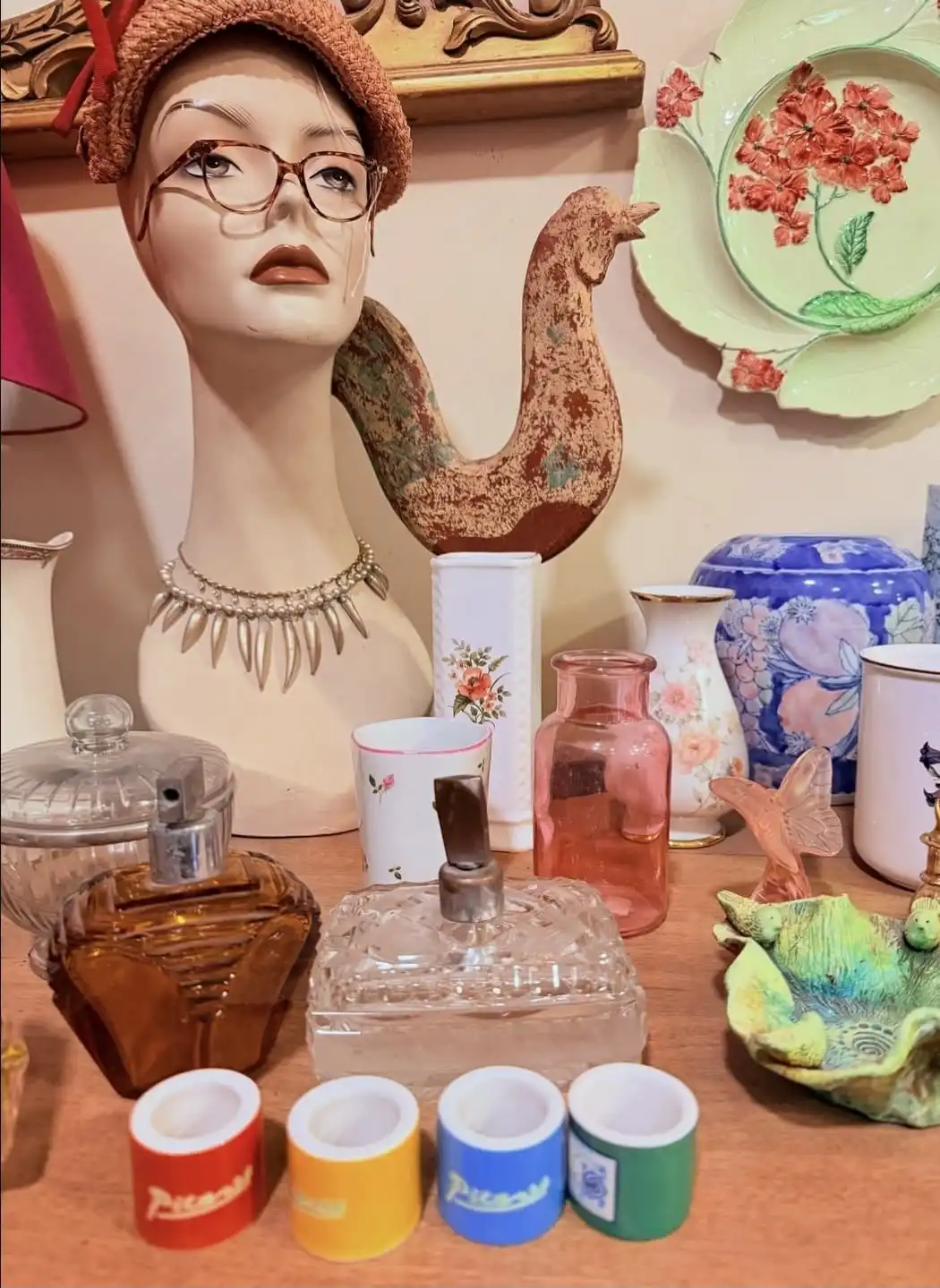
According to Romy, contemporary fashion can absolutely be glamorous, but it is a different kind of glamour. “Vintage carries depth that comes from time, craftsmanship, history, and the fact that it has lived before you. There is something romantic about that. Today’s fashion can be bold and innovative, but sometimes it moves too fast to create that same emotional weight.”
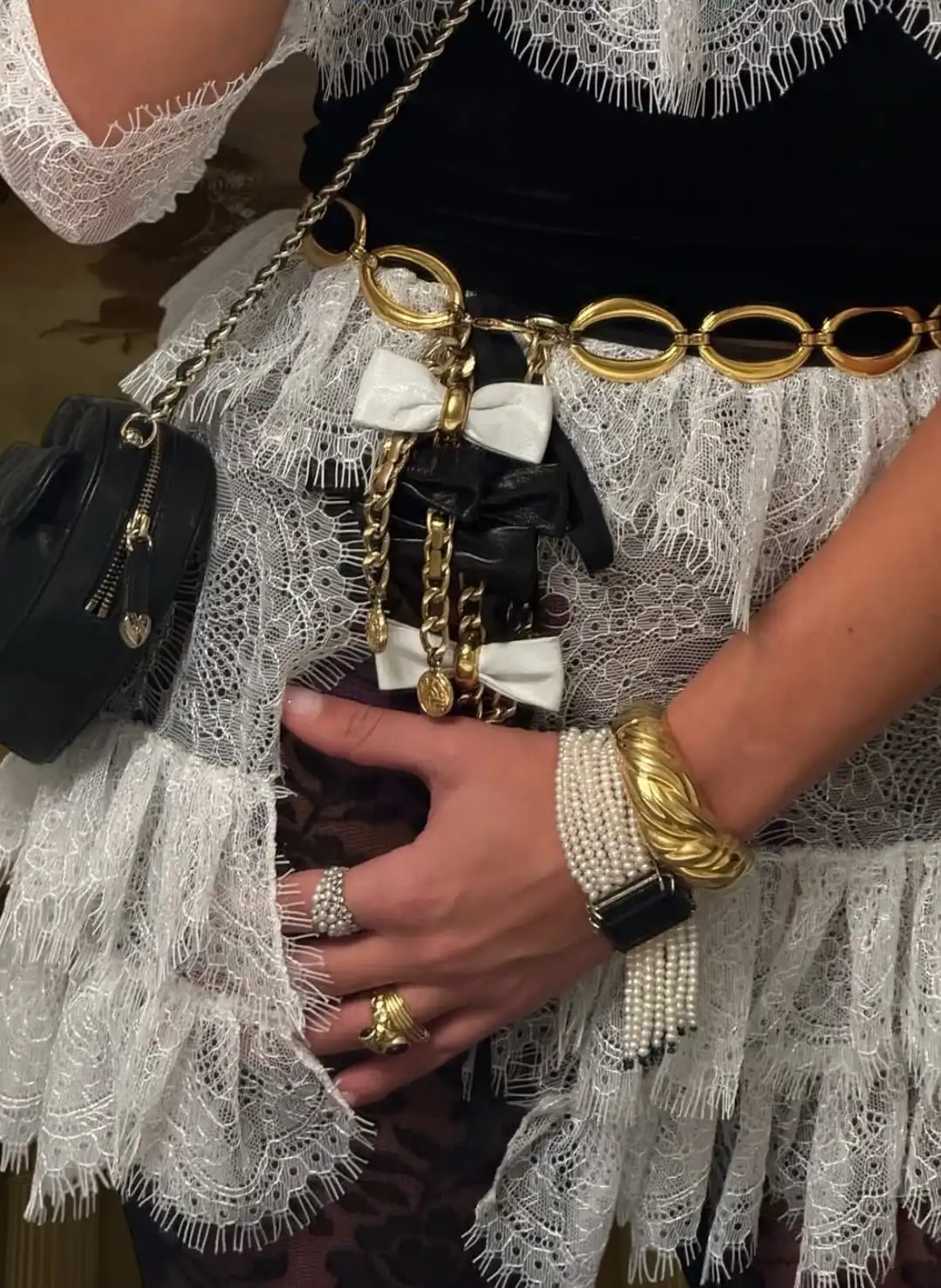
Meanwhile, when it comes to jewelry, Vera approaches the question with a discerning eye. She explains, “not all of today’s jewelry will become vintage-worthy. In a landscape defined by speed, mass production, and digital immediacy, only pieces anchored in design integrity, rarity, and cultural authorship will endure. Also, the future of vintage will not belong to heritage houses alone. It will be shaped by digitally informed aesthetics and emerging voices from the Arab world, where innovation and cultural identity are already crafting the heritage of tomorrow.”
Indeed, what we purchase today becomes the archive of tomorrow. The Lebanese designers we support now, the contemporary pieces we cherish, may, in twenty to fifty years, become part of our collective vintage history.
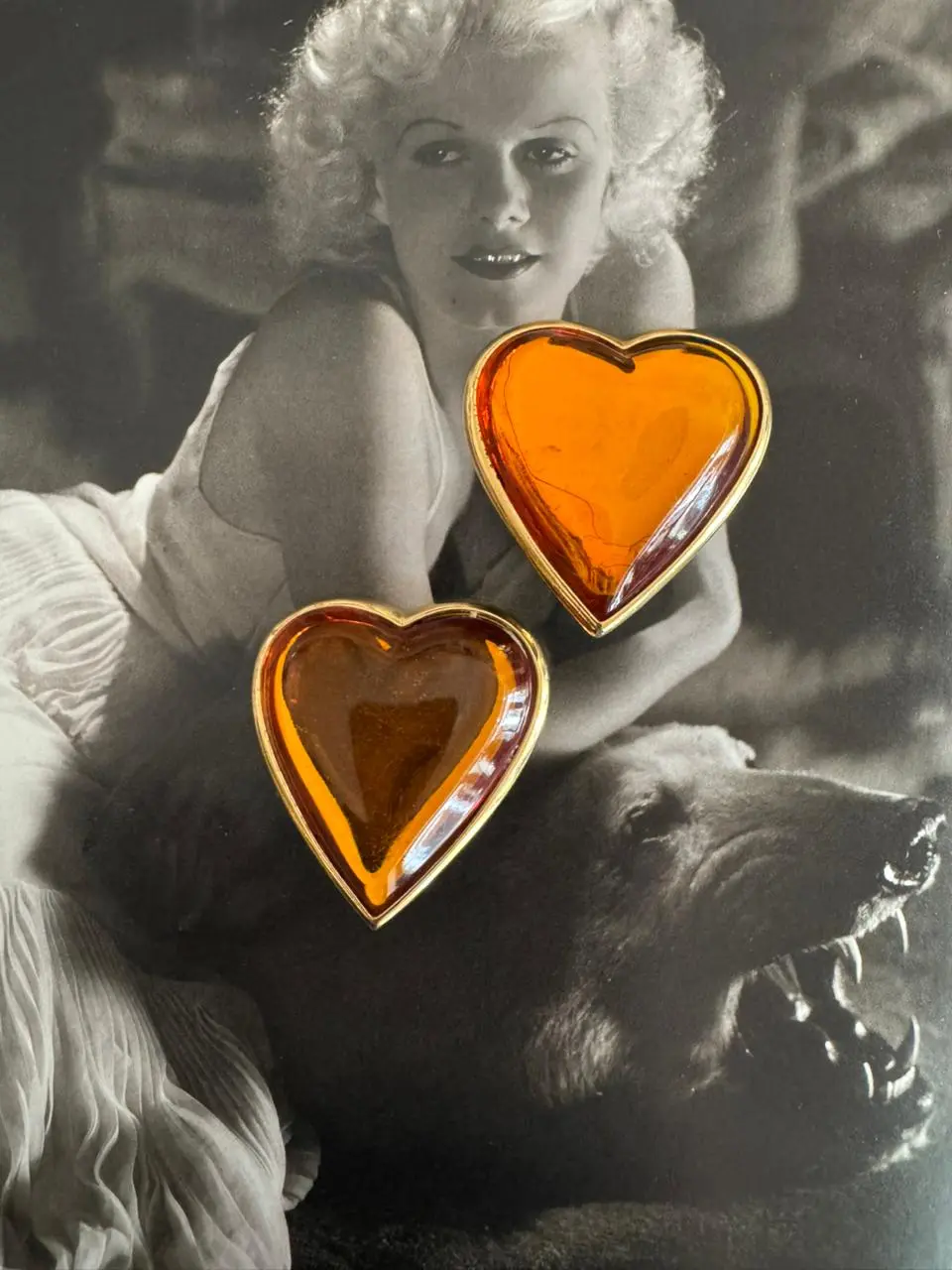
Perhaps the vintage fever in Lebanon did not begin with the 2019 crisis, nor even with the rise of curated marketplaces. Perhaps it began the moment our ancestors decided that fashion could carry memory. In a country where history is often what survives against the odds, vintage becomes more than a lifestyle. It becomes preservation. But preservation demands responsibility. Vintage cannot champion individuality, if it becomes another uniform dictated by algorithms. The real challenge is not simply to buy old pieces, but to recognize value while it is being created, to care for today’s Lebanese designers as tomorrow’s heritage, and to curate wardrobes that one day will tell a story worth inheriting.