
.jpeg)
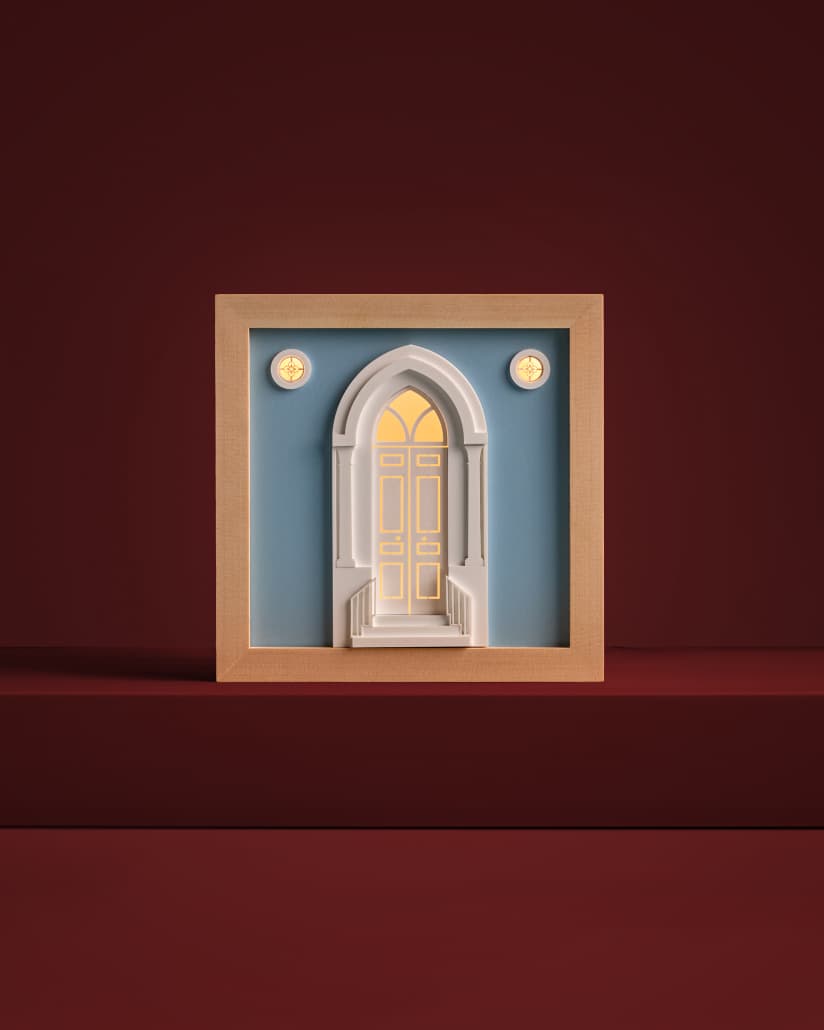
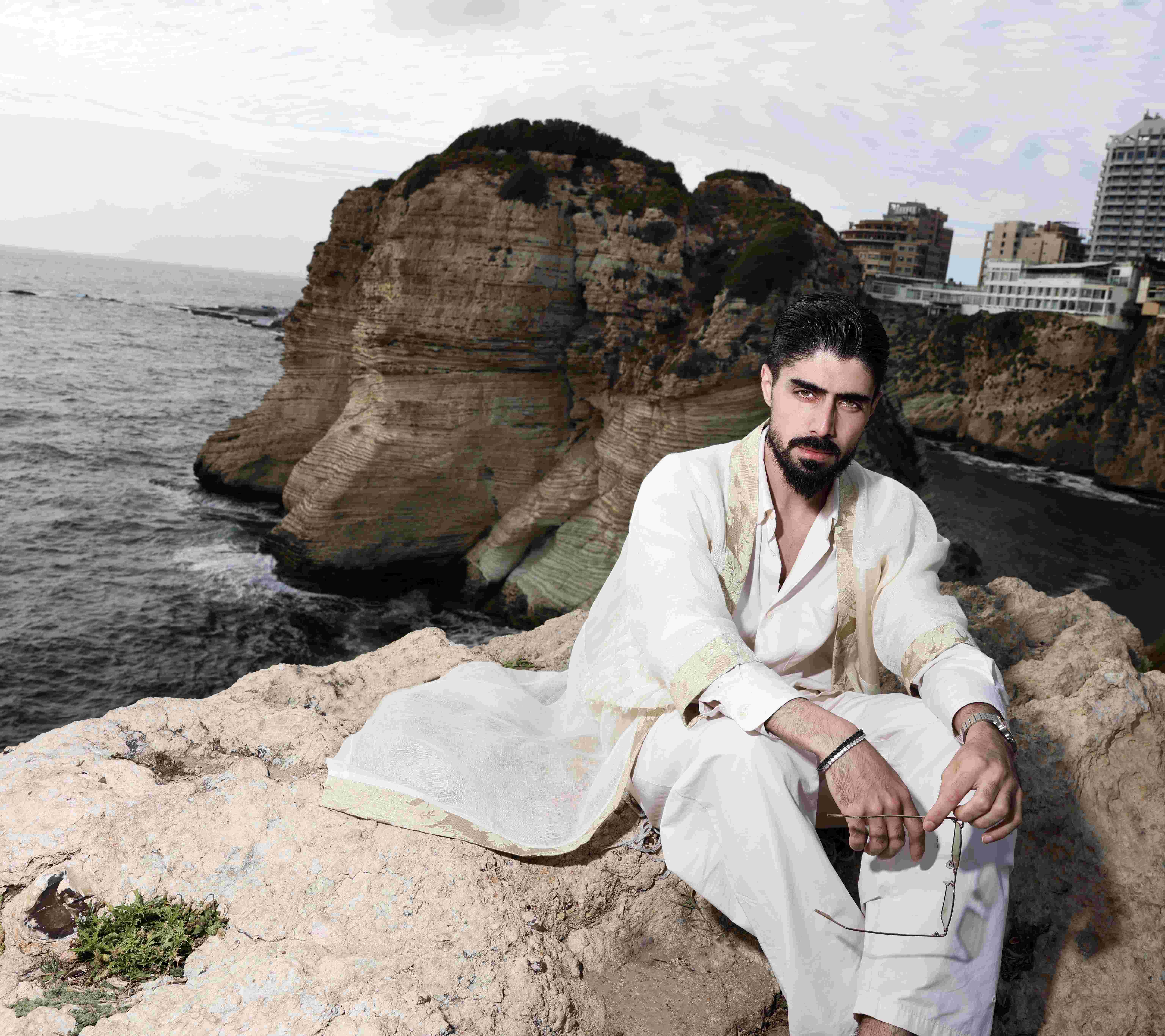
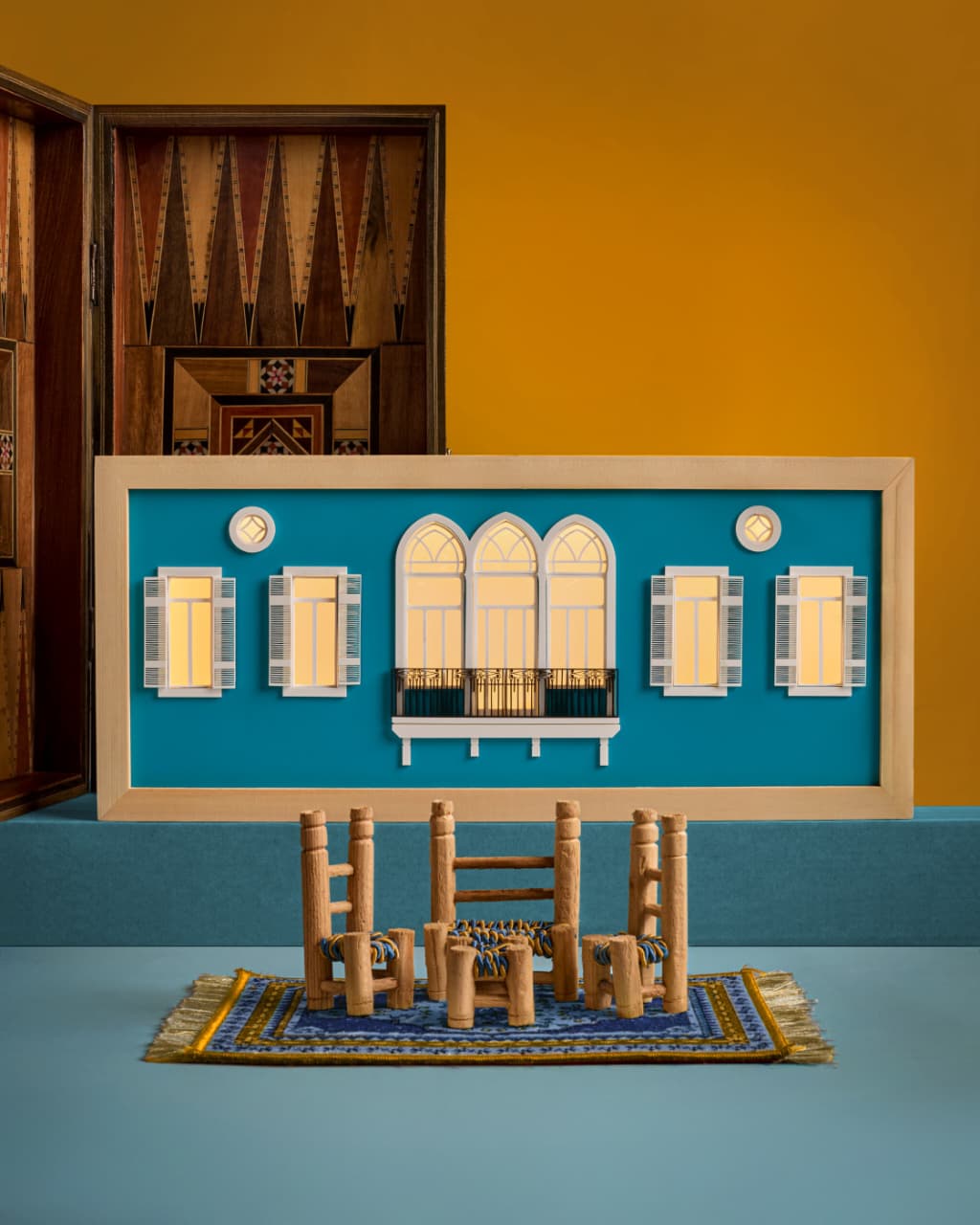
Architect and object designer, Michel Bandali transforms the soul of old Lebanon into objects that glow with memory. Inspired by the fading beauty of Beirut’s triple arch houses and the heartbreak of their disappearance, his work turns heritage into something intimate, alive, and deeply personal. Through light, shadow, and craftsmanship, he keeps the spirit of Lebanese architecture burning beyond walls and borders.
.jpeg)
1. When did you become aware of the beauty of Lebanese houses, was there a specific moment that stayed with you?
My love for Lebanese houses started as a child. I remember visiting a friend to play, and I was amazed by their home. Even though it wasn't renovated, the huge wooden doors and the beautiful patterned tiles stayed in my mind. Today, I pass that same house every day; it is abandoned now, which makes me feel a deep sense of sadness.
However, the real turning point for me was after the Beirut Port explosion. Walking through the old neighborhoods, I saw the iconic triple-arch facades destroyed. It was heartbreaking because those houses aren't just stone and architecture—they are full of family memories and history.
Seeing that destruction was the moment I decided to start my project. I began making light boxes of these Lebanese facades to keep those memories alive. I want to make sure that even if the buildings are gone or abandoned, the light of our heritage and our land continues to shine in our homes.
2. The triple arch is one of the most recognisable symbols of Lebanese architecture. What drew you to reinterpret it through objects rather than buildings?
I approached the triple arch through objects because of my unique background. I studied interior architecture at the Lebanese University, which gave me a deep respect for our heritage, but then I moved to Marseille, France, to study object design.
I have always been fascinated by lighting—the way it creates shadows, sets a mood, and changes a space. When I returned to Lebanon, I wanted to find a way to mix traditional craftsmanship with a modern aesthetic so that these iconic symbols could fit into our lives today.
By reinterpreting the facade as a light box rather than a building, I create something portable. I want these objects to be able to travel with people. Whether someone is at home in Lebanon or living abroad, these pieces serve as a glowing reminder of the beauty of our land and keep our identity alive in a modern way.
.jpeg)
3. Your work feels like a form of preservation. Do you see your designs as documenting a disappearing Lebanon?
Yes, my work is a way of documenting our heritage. Many of my light boxes are actually inspired by and replicated from specific, existing buildings in Lebanon. I want to capture their real proportions, though I sometimes play with the colors or small details to give them a modern, artistic touch.
For my other products, I might focus on just one typical element—like a specific stone texture or a single arch—that you can find on almost every traditional Lebanese facade.
By focusing on these specific details, I am preserving the "DNA" of our architecture. Whether it is a full replica of a house or just one iconic element, my goal is to make sure these disappearing pieces of Lebanon are documented and kept alive in a new, contemporary form.
4. There is a strong sense of light and shadow in your pieces. How important is light in expressing the emotional side of architecture?
For me, light is the most important part because light represents life.
When I see an old, abandoned house, it often feels dark and forgotten. By turning these facades into light boxes, it is like I am waking them up. When the light is on, the house feels like it is breathing again, as if there is someone still living inside.
I also love the shadows created by the arches and the details; they give the architecture depth and make the history feel real. Together, the light and shadow bring warmth to the stone, showing that our heritage isn’t just the past—it is still alive and glowing today.
5. You transform large architectural elements into intimate objects. What changes when heritage is brought into a domestic scale?
When heritage is brought into a domestic scale, it becomes intimate. A large building on the street is something you admire from a distance, but an object in your home is something you can touch and live with every day.
By shrinking these elements, the triple arches facade is no longer just a big stone monument outside; it becomes a warm light on your desk or a piece of art on your shelf.
At this smaller scale, the architecture feels more personal. It transforms a famous symbol of our country into a companion that keeps the memory of our land and our history close to us, even in a modern apartment. It allows people to carry a piece of Lebanon’s soul with them.
6. Lebanon’s architectural identity is under threat. What role do designers play today in protecting—or redefining—it?
I believe designers today act as a bridge. Our architectural identity is under threat because many people think old styles don't fit into modern life.
My role is to show that these traditional elements, like the triple arches, are still beautiful and relevant today. We protect our heritage by redefining it—turning a building that might be disappearing into a modern object we can use.
By using new ways to recreate these old forms, we make sure our identity stays with us. Designers don't just make products; we make sure that the soul of Lebanon has a place in the future.
.jpeg)
7. What is the main message behind your passion and work?
The main message of my work is that our heritage is alive, and we must keep its light burning. My passion is to bridge the past and the future by showing that we can use our history to create something new.
I do this by working with skilled craftsmen and women to support their families and keep traditional skills alive, while also using modern techniques like 3D printing and laser cutting. This mix of handmade craft and new technology allows us to preserve the soul of Lebanon and the iconic triple arches in a contemporary way.
I want these pieces to travel the world. Whether a Lebanese person takes one abroad or a tourist takes one to their homeland, they are carrying a piece of Lebanon with them. My goal is to make sure the beauty of our land stays alive in our memories and in homes everywhere.