


.jpeg)
Before the sold-out performances, international stages, and viral moments that would introduce his music to audiences far beyond Lebanon, Rodolphe Manoukian was a young boy in Beirut discovering the power of rhythm. Trained at the Lebanese Conservatory from the age of nine, he immersed himself in percussion before forging a style entirely his own; grounded in heritage yet unbound by convention.
.jpeg)
Today, the Lebanese-Armenian musician stands at the forefront of a new generation redefining how Middle Eastern sounds are experienced around the world. Fusing traditional darbuka rhythms with Afro grooves, tribal percussion, Bollywood influences, and contemporary electronic energy, Manoukian has created a sound that feels unmistakably Lebanese yet universally understood. His recent international break through, including a celebrated debut in India, has confirmed what audiences across continents are discovering: rhythm remains one of humanity's most powerful common languages.
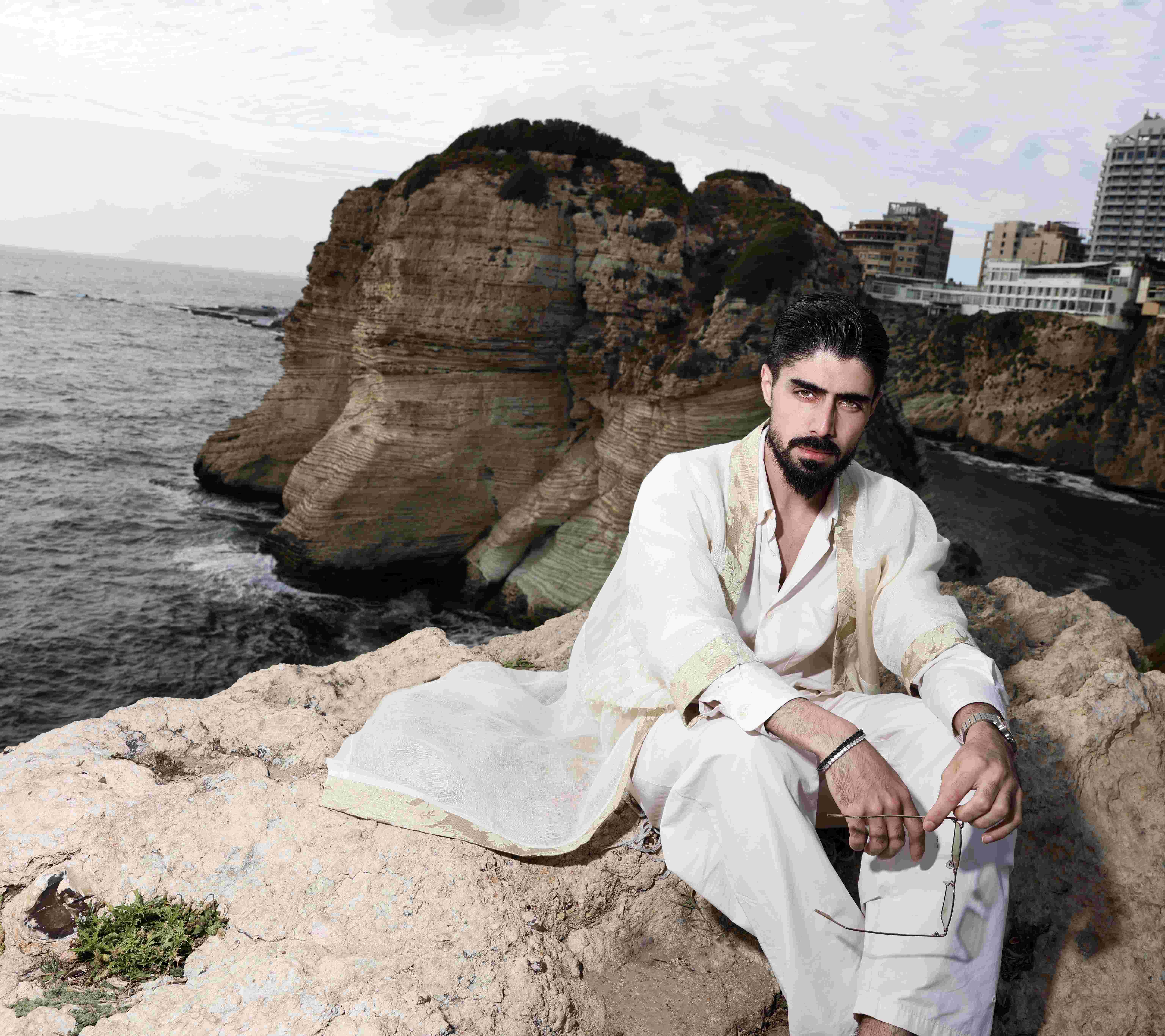
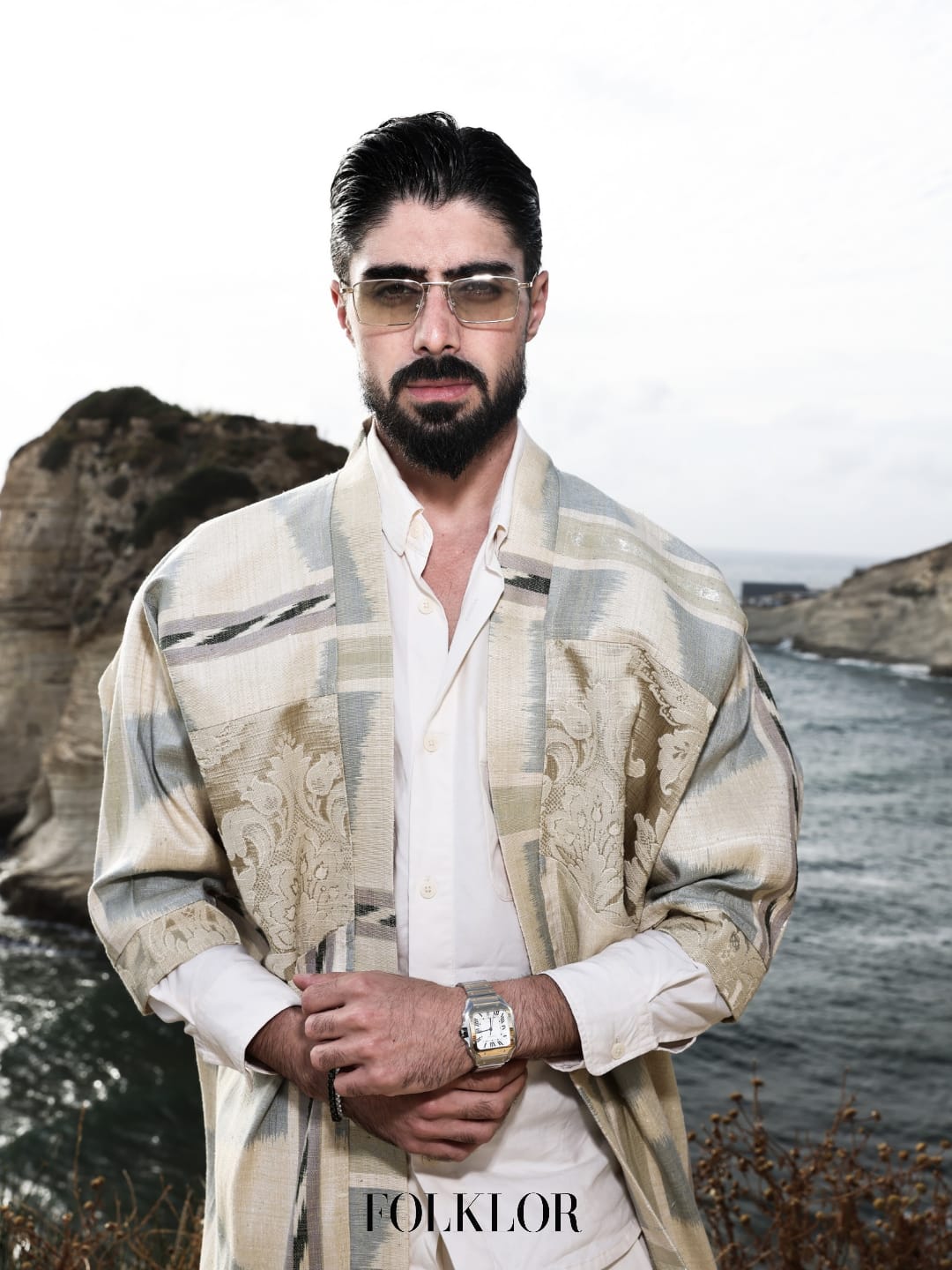
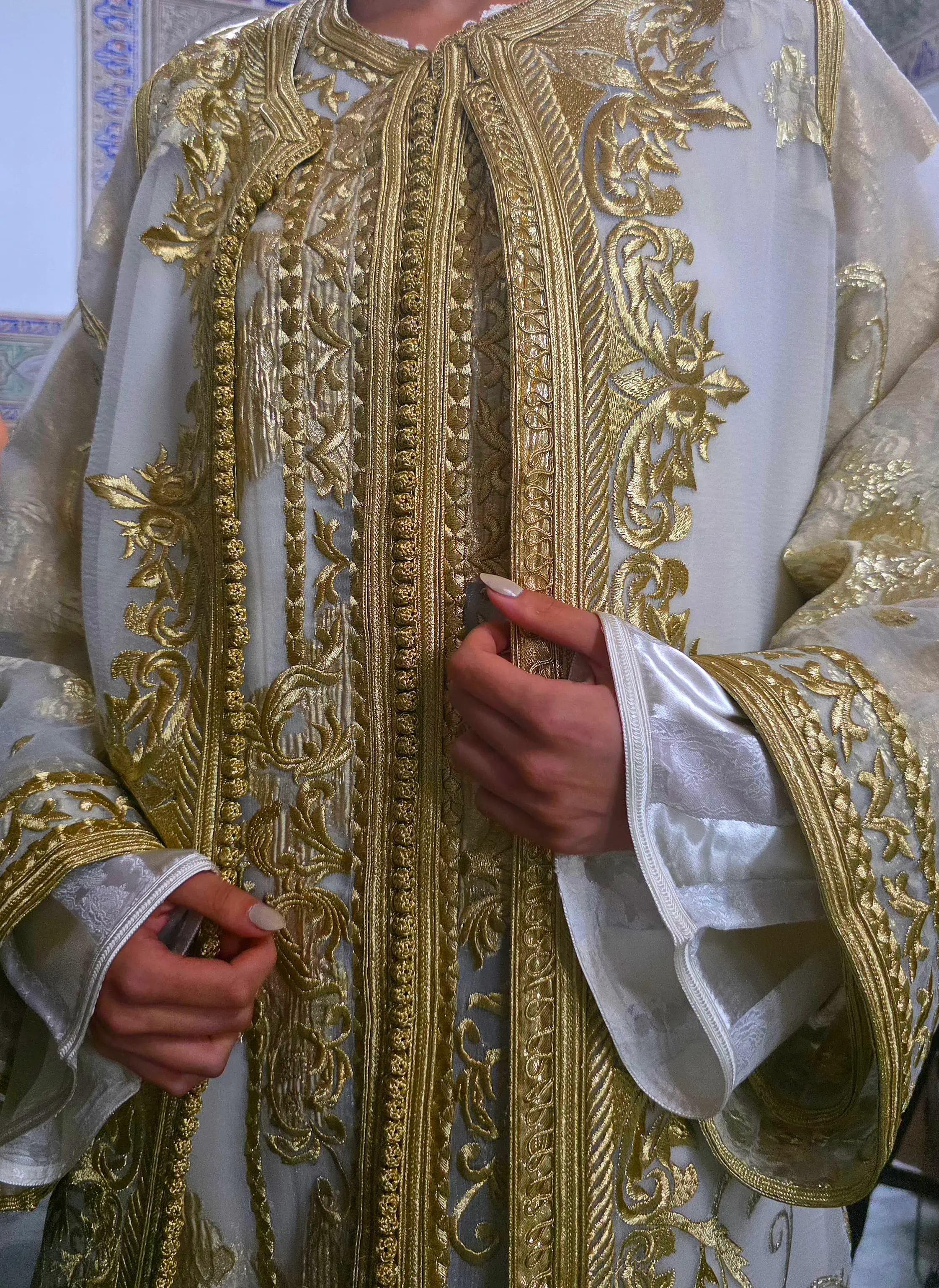
For FOLKLOR's Summer 2026 cover, Rodolphe Manoukian returns to one of Beirut's most enduring landmarks: the Pigeon Rocks. Framed by the Mediterranean and dressed in bespoke SAKI kimonos created exclusively for this editorial, he stands as a portrait of a new Lebanon; creative, resilient, and deeply connected to place. The windswept silhouettes, flowing fabrics, and monumental coastal landscape echo the rhythm of his music, creating a visual narrative where Beirut itself becomes both backdrop and protagonist.
Your sound is unmistakably Lebanese, yet it connectsinstantly worldwide. Why do you think rhythm translates so powerfully acrosscultures?
I think rhythm is thefirst language humanity ever understood, long before words existed. Whetheryou're in Beirut, Mumbai, Bucharest, or Dubai, people feel percussionphysically before they even think about it. That's what makes instruments likethe darbuka so powerful. Energy doesn't need translation. A rhythm can crossborders, cultures, and languages in seconds.
You blend darbuka with Afro, tribal, electronic, andBollywood influences. How do you innovate without losing authenticity?
Authenticity isn't about staying traditional. It's aboutrespecting where you come from while allowing yourself to evolve. I grew upsurrounded by Lebanese and Middle Eastern rhythms, but I've always beeninspired by Afro grooves, tribal sounds, Bollywood emotion, and electronicmusic. I never force those influences together. They naturally become part ofmy sound. No matter where the inspiration comes from, the soul always remainsLebanese.
.jpeg)
Your performances feel explosive and almost hypnotic.What do you want people to feel when you're on stage?
I want people to forget everything around them and simply feel alive. I want the experience to be cinematic, emotional, explosive, and hypnotic all at once. The goal is to create a moment where thousands of people move together like one heartbeat. That's when music becomes something bigger than performance.
Do you see yourself exporting a new image of Lebanesemusic and nightlife culture to the world?
Absolutely. Lebanon has incredible talent, culture, nightlife, and musical energy that deserve global attention. I'm proud to represent a modern image of Lebanese music—one that respects tradition while embracing an international sound. Music has the power to connect people everywhere, and I want to be part of that conversation.
The reaction to your India debut was extraordinary. Whatsurprised you most about how international audiences connected with your sound?
What surprised me most was how deeply people connectedemotionally to the rhythm, even though it wasn't necessarily a style they werefamiliar with. The energy was unreal. It reminded me that music truly has noborders when it comes from an honest place. People recognize authenticity,regardless of where they're from.
Beirut has its own rhythm and chaos. How much of the citylives inside your music?
Beirut is inside everything I create. The chaos, the passion, the nightlife, the emotion, the resilience—all of it shapes my sound. Beirut teaches you intensity. It teaches you how to turn pain into celebration and rhythm into freedom. That spirit follows me everywhere.
When an entire crowd made up of different nationalitiesmoves to your beat at once, what goes through your mind?
Honestly, it's one of the most powerful feelings in the world. Seeing people from completely different cultures moving together to the same rhythm reminds me why I do this. In those moments, there are no languages, no differences, no barriers. There's only energy, connection, and a shared experience.
Beirut summers are legendary—music, energy, nightlife,freedom. What does being the face of Folklore's Summer Issue mean to you?
Beirut summers have a magic that's impossible to explainunless you've lived them. There's elegance, freedom, emotion, and chaos allhappening at the same time. Being part of Folklore's Summer Issue means a lotbecause it represents the spirit of the city I come from and the energy I tryto share with the world through my music.
.jpeg)
For Rodolphe Manoukian, rhythm is more than music; it is identity, memory, and connection. From the conservatory halls of Beirut to international stages filled with thousands of strangers moving as one, his journey reflects the enduring power of culture to transcend borders. And perhaps that is why his music resonates so deeply. Beneath the spectacle, the lights, and the thunder of percussion lies something profoundly human: a heartbeat. One born in Beirut, now echoing around the world.

.jpeg)